


Logs Kidlington
Logs Kidlington
Free delivery to Kidlington
and surrounding areas.
- Kiln-dried logs
- Free delivery
- Free stacking service
- Local team delivering to Kidlington


Logs Kidlington
Free delivery to Kidlington and surrounding areas.
- Kiln-dried logs
- Free delivery
- Free stacking service
- Local team delivering to Kidlington
At Nene Valley Firewood, we supply top-quality kiln-dried logs with free delivery and stacking across Kidlington and surrounding villages. Whether you’re in town or tucked away in the Oxfordshire countryside, our local team delivers straight to your door. Fast, friendly, and five-star rated. Keep your home warm with sustainably sourced wood, dried and ready to burn.
Best Selling Logs And Firewood In Kidlington

Kiln Dried Hardwood Logs – Bulk Bag
£145 Incl. VAT
Top-quality firewood logs with a long burn and great heat efficiency.

Kiln Dried Hardwood Logs 1, 2 or 3 loose m³
£210/M3 Incl. VAT (WITH FREE STACKING)
Buy Kiln-dried hardwood logs by the cubic metre for economy and value. Logs will be stacked for free in an outside location.
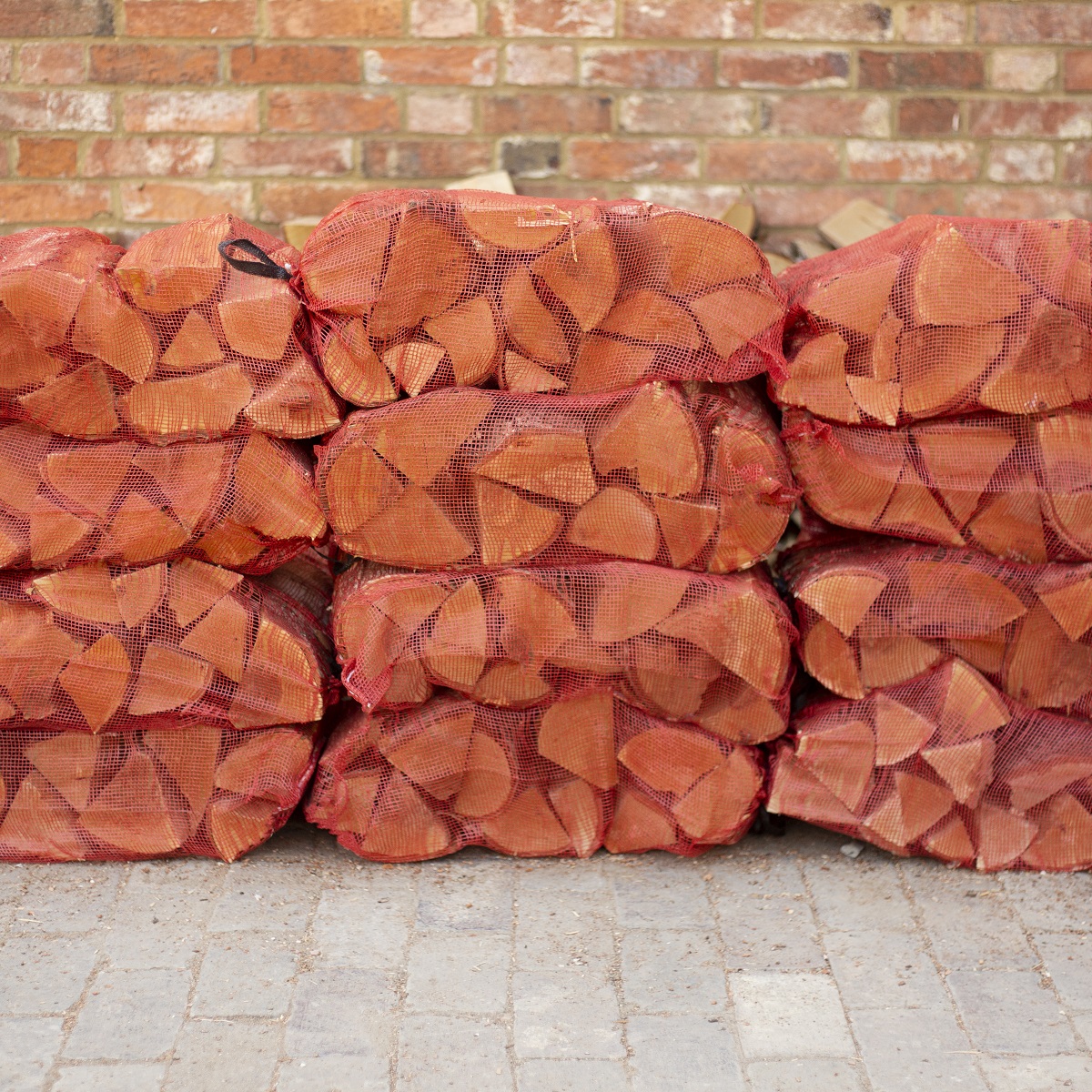
Kiln Dried Hardwood Logs 12, 30 or 60 nets
£110 – £450 Incl. VAT
Choose from 12, 30 or 60 nets for economy firewood. Always below 18% moisture content.
Free Firewood Delivery Beyond Kidlington
We also offer free delivery to all of the local areas around Kidlington including Woodstock, Enslow, Bletchingdon, Islip, Bladdon and Thrupp.
Whether you live near Kidlington Green, along the Oxford Road, or in a countryside village, we’ll bring your logs right to your door.

Why choose us for your logs in Kidlington?

You might’ve seen our delivery vans near River Cherwell, Stratfield Brake Country Park, or on the A4260. Whether you’re in a Victorian terrace near the town centre or a rural farmhouse on the outskirts, we’re here to keep your firewood topped up all year round.
Send us a picture of one of our vans in Kidlington and we’ll add some free firelighters to your next order!
Fun Facts…. Kidlington’s Historic Connection to Wood and Fire
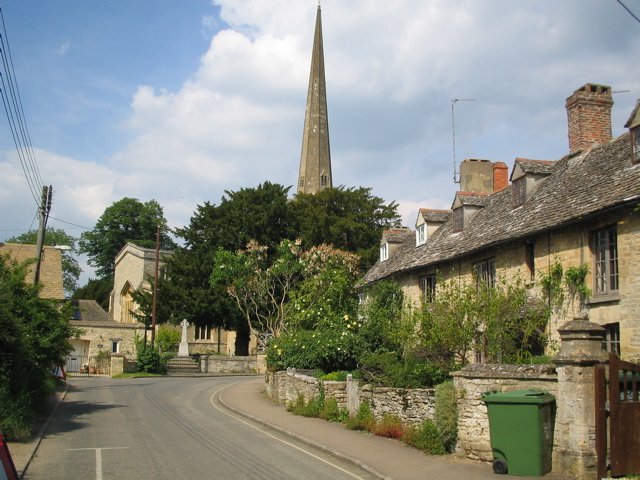
St Mary the Virgin Church: Medieval woodwork
Kidlington’s parish church, St Mary the Virgin, has “ancient woodwork” alongside medieval stained glass. This indicates long use of timber for building, benches, fittings etc, which would have required fire-safety over centuries as fires were a constant danger in historic wooden buildings. While this doesn’t show a “fire tradition”, it ties in wood use & vulnerability to fire.
Kidlington Mill: water-powered corn mill with wood & metal gearing
The Kidlington Mill on the River Cherwell is a historic watermill for grinding corn. It had wood/metal gear. The use of wood in machinery is relevant to wood’s historic role.
“Burnt Oak” building
A building in Kidlington named Burnt Oak, 119, Mill Street, is Grade II listed. The name suggests possibly that the site or building suffered a fire in the past or that the name comes from a tree that was burnt, or some local lore.
Hazelwood, Mill Street
Another building, Hazelwood on 40 Mill Street, is also listed. The name suggests woods (hazel trees) in the past, pointing to woodland or tree cultivation/local woodland presence.
Wood way / Langford Lane
In the older mapping and texts, there is a road called Wood Way in the 17th-18th centuries. The existence of such place names usually reflect old woodland boundaries, tracks through woods, or routes used for logging/transport of wood. This shows that wood was an important landscape feature / resource at some point.
Smoke and fire regulations / modern issues
More recently, areas in Oxfordshire, have Smoke Control Areas, which affect wood-burning stoves and open fireplaces. So the “fire” side is very much alive in regulation of how wood fires are used at home.
• Kidlington, like many rural/parish communities, had woodland nearby, and wood was used historically for building, heating, fuel, tools etc.
• Because many older buildings were timber-framed or had timber interiors (church, mill etc.), fire would have been a constant risk; local customs, building practices, place names might reflect that risk (e.g. names like “Burnt Oak”).
• Place names (“Wood Way”, “Hazelwood”) and old roads likely follow or cross through woodland, so wood and fire are connected in terms of resource (wood) and its use (burning as fuel / heating / lighting), and danger (fire safety).