Firewood Luton
Firewood Luton
Free delivery to Luton
and surrounding areas.
- Kiln-dried logs
- Free delivery
- Free stacking service
- Local team delivering to Luton


Firewood Luton
Free delivery to Luton and surrounding areas.
- Kiln-dried logs
- Free delivery
- Free stacking service
- Local team delivering to Luton
At Nene Valley Firewood, we supply top-quality kiln-dried logs with free delivery and stacking across Luton and surrounding villages. Whether you’re in town or tucked away in the Bedfordshire countryside, our local team delivers straight to your door. Fast, friendly, and five-star rated. Keep your home warm with sustainably sourced wood, dried and ready to burn.
Best Selling Logs And Firewood In Luton

Kiln Dried Hardwood Logs – Bulk Bag
£145 Incl. VAT
Top-quality firewood logs with a long burn and great heat efficiency.

Kiln Dried Hardwood Logs 1, 2 or 3 loose m³
£210/M3 Incl. VAT (WITH FREE STACKING)
Buy Kiln-dried hardwood logs by the cubic metre for economy and value. Logs will be stacked for free in an outside location.
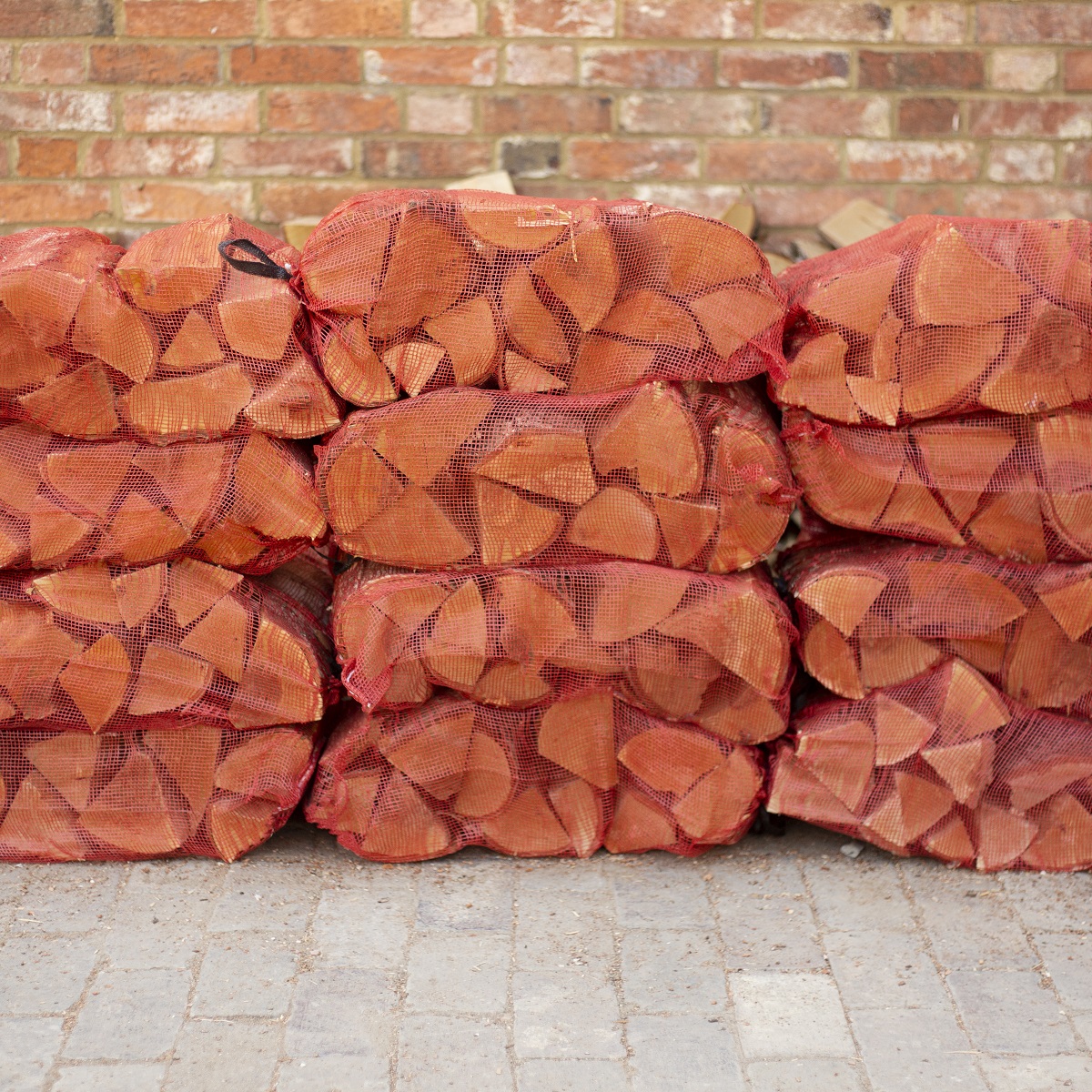
Kiln Dried Hardwood Logs 12, 30 or 60 nets
£110 – £450 Incl. VAT
Choose from 12, 30 or 60 nets for economy firewood. Always below 18% moisture content.
Free Firewood Delivery Beyond Luton
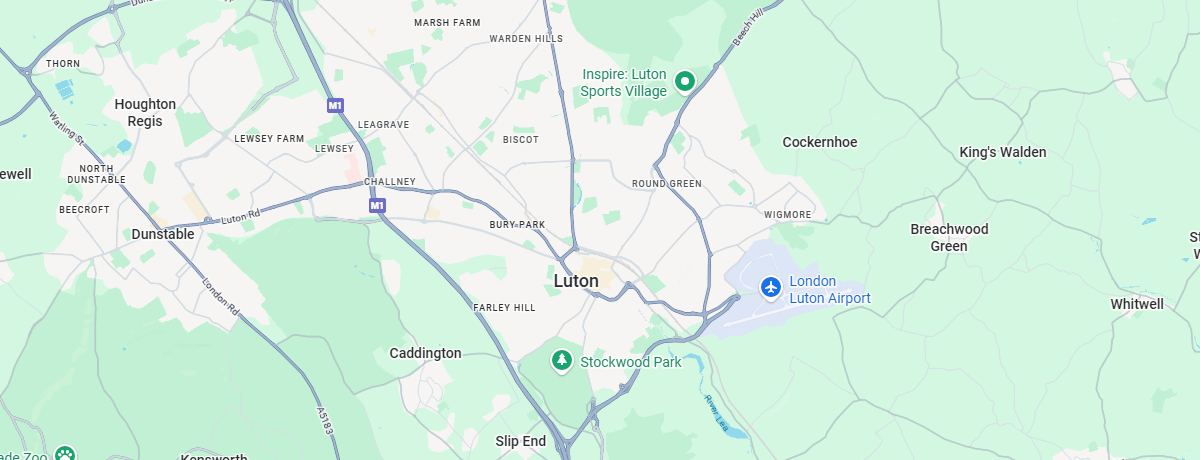
We also offer free delivery to all of the local areas around Luton including Houghton Regis, Dunstable, Caddington, Cockernhoe, Kensworth, Toddington and Sewell. Whether you live near Stockwood Discovery Centre, along the New Bedford Road, or in a countryside village, we’ll bring your logs right to your door.
Why choose us for your logs in Luton?

You might’ve seen our delivery vans near Wrest Park, The Galaxy, or on the A505. Whether you’re in a Victorian terrace near the town centre or a rural farmhouse on the outskirts, we’re here to keep your firewood topped up all year round.
Send us a picture of one of our vans in Luton and we’ll add some free firelighters to your next order!
Fun Facts…. Luton’s Historic Connection to Wood and Fire

Wood as a Resource & in Construction
Wood and Thatch in Early Buildings – Before the 16th century, most houses in Luton were timber framed, with thatched roofs, materials like wood were the main resources for dwellings and smaller buildings.
Shift to Brickmaking – After devastating fires, like the 1336 fire, Luton developed a brickmaking industry. This allowed people to rebuild houses and buildings in more fire‐resistant materials brick and tile, instead of wood and thatch.
Ancient Woodlands – Luton is surrounded by woodlands, some of which are ancient. For example, Great Bramingham Wood is ancient woodland. Such woods would have supplied timber and wood for building, fuel, and other uses.
Fire in Luton’s History
The Great Fire of 1336 – In 1336 much of Luton was destroyed by a large fire. At that time many of the town’s buildings were made of wood and had thatched roofs, so once a fire started it spread easily. After the fire, Luton rebuilt, gradually shifting away from wood and thatch for many structures.
Wooden Castles and Castles Built of Wood
In Luton’s early medieval history, there were wooden castles. For instance, the sources say that a wooden castle was built on high ground overlooking the town by Robert de Waudari in the 12th century. These wooden fortifications were part of the defensive and symbolic infrastructure of the period.