


Logs Rugby
Logs Rugby
Free delivery to Rugby
and surrounding areas.
- Kiln-dried logs
- Free delivery
- Free stacking service
- Local team delivering to Rugby


Logs Rugby
Free delivery to Rugby and surrounding areas.
- Kiln-dried logs
- Free delivery
- Free stacking service
- Local team delivering to Rugby
At Nene Valley Firewood, we supply top-quality kiln-dried logs with free delivery and stacking across Rugby and surrounding villages. Whether you’re in town or tucked away in the Warwickshire countryside, our local team delivers straight to your door. Fast, friendly, and five-star rated. Keep your home warm with sustainably sourced wood, dried and ready to burn.
Best Selling Logs And Firewood In Rugby

Kiln Dried Hardwood Logs – Bulk Bag
£145 Incl. VAT
Top-quality firewood logs with a long burn and great heat efficiency.

Kiln Dried Hardwood Logs 1, 2 or 3 loose m³
£210/M3 Incl. VAT (WITH FREE STACKING)
Buy Kiln-dried hardwood logs by the cubic metre for economy and value. Logs will be stacked for free in an outside location.
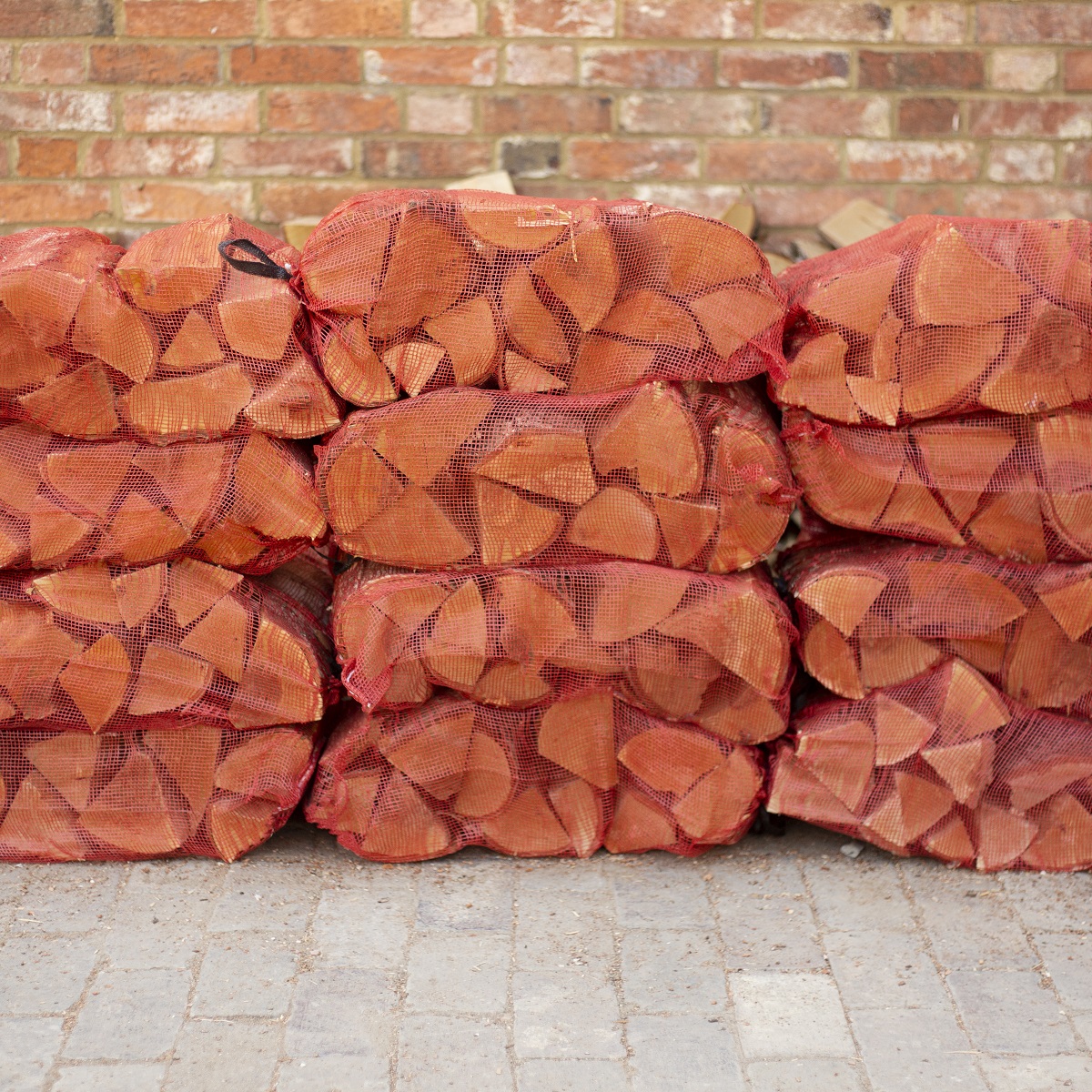
Kiln Dried Hardwood Logs 12, 30 or 60 nets
£110 – £450 Incl. VAT
Choose from 12, 30 or 60 nets for economy firewood. Always below 18% moisture content.
Free Firewood Delivery Beyond Rugby
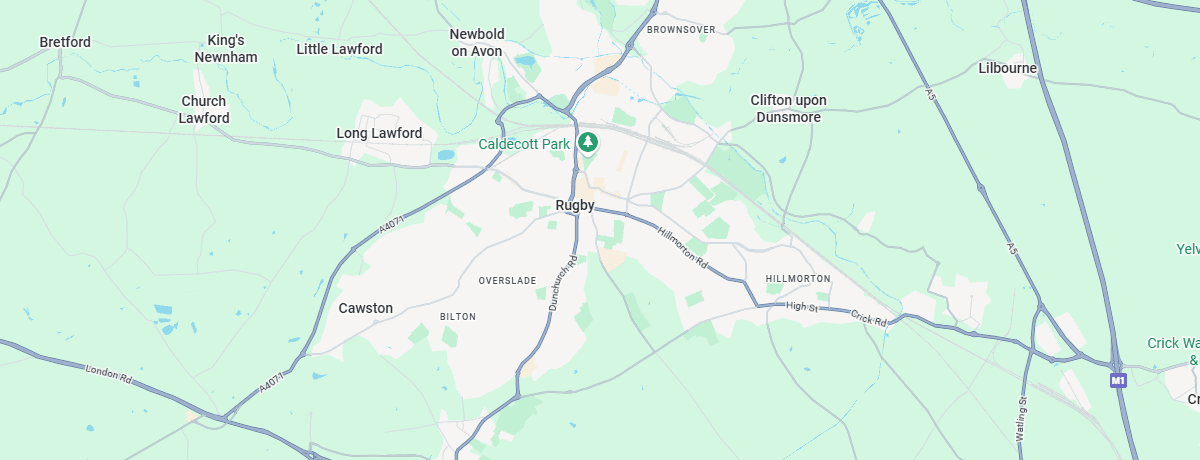
We also offer free delivery to all of the local areas around Rugby including Long Lawford, Cawston, Dunchurch, Kilsby, Newton, Cosford and Newbold on Avon. Whether you live near Jubilee Clock Tower, close to Draycote Water or near Rugby Theatre, we’ll bring your logs right to your door.
Why choose us for your logs in Rugby?

You might’ve seen our delivery vans near Althorp House, Sixfields Stadium, or on the A45. Whether you’re in a Victorian terrace near the town centre or a countryside home on the outskirts, we’re here to keep your firewood topped up all year round.
Send us a picture of one of our vans in Rugby and we’ll add some free firelighters to your next order!
Fun Facts…. Rugby’s Historic Connection to Wood and Fire
Timber’s Prominent Role
• The use of wood and thatch in construction, common at the time, directly contributed to the fire’s rapid spread. This tragedy underscored the inherent fire risk of such materials.
• The replacement of flammable materials with stone, brick, and slate marked a transformative shift in local building practices post-fire, a tangible outcome of the disaster.
Commemorating the Fire 350 Years Later
• In 2025, Rugby marked the 350th anniversary of the Great Fire with a robust programme of community events, including Oak Apple Day, art exhibitions, and processions.
• The Explore Rugby app now features an augmented-reality “Great Fire Trail,” tracing the blaze’s path through the town centre and offering narrated insights from historical characters.
The Great Fire of Rugby (1675)
• When & How it Began: On 20 September 1675, a spark from an open fire on St Mary’s Street, near Rugby Castle, ignited a blaze that engulfed the town’s timber and thatch-built centre, accelerated by strong westerly winds.
• Destruction: The rapid inferno destroyed roughly 700 of the 850 buildings in Rugby, about three-quarters of the town, leaving some 11 dead and over 700 families homeless.
• Survivors: A handful of stone-built structures survived, including the Welsh House on Market Square and Hazelrigg House on Mare Fair.
• Aftermath & Rebuilding: In a remarkable response, King Charles II donated 1,000 tons of timber from royal forests (Salcey and Whittlebury) to help rebuild All Saints’ (formerly All Hallows’) Church and other infrastructure. Streets were widened, and buildings were reconstructed using brick, stone, and slate. An Act of Parliament was passed to expedite the town’s reconstruction.