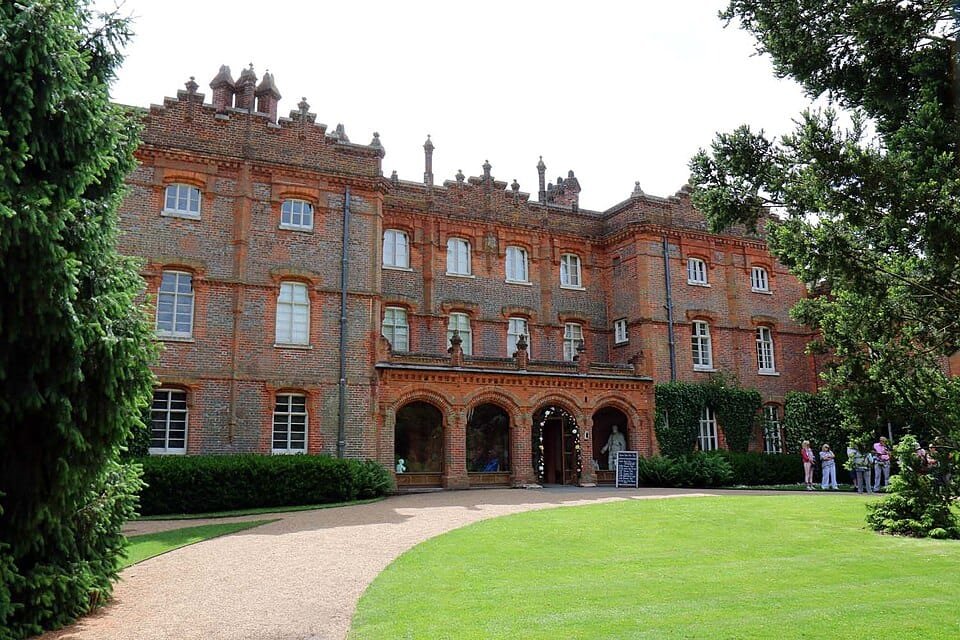
Firewood and Logs High Wycombe
Firewood High Wycombe
Free delivery to High Wycombe
and surrounding areas.
- Kiln-dried logs
- Free delivery
- Free stacking service
- Local team delivering to High Wycombe


Firewood High Wycombe
Free delivery to High Wycombe and surrounding areas.
- Kiln-dried logs
- Free delivery
- Free stacking service
- Local team delivering to High Wycombe
At Nene Valley Firewood, we supply top-quality kiln-dried logs with free delivery and stacking across High Wycombe and surrounding villages. Whether you’re in town or tucked away in the Buckinghamshire countryside, our local team delivers straight to your door—fast, friendly, and five-star rated. Keep your home warm with sustainably sourced wood, dried and ready to burn.
Best Selling Logs And Firewood In High Wycombe

Kiln Dried Hardwood Logs – Bulk Bag
£145 Incl. VAT
Top-quality firewood logs with a long burn and great heat efficiency.

Kiln Dried Hardwood Logs 1, 2 or 3 loose m³
£210/M3 Incl. VAT (WITH FREE STACKING)
Buy Kiln-dried hardwood logs by the cubic metre for economy and value. Logs will be stacked for free in an outside location.
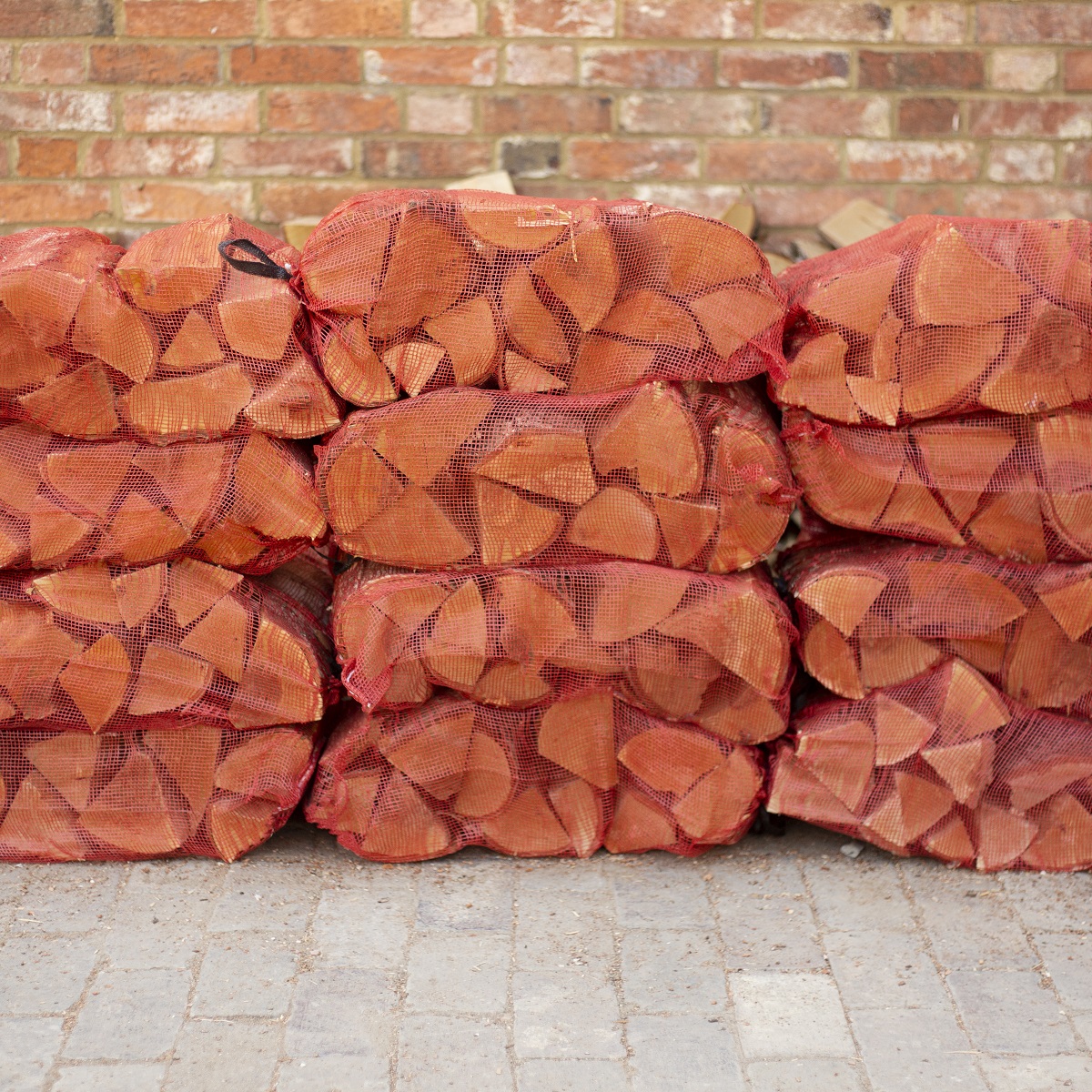
Kiln Dried Hardwood Logs 12, 30 or 60 nets
£110 – £450 Incl. VAT
Choose from 12, 30 or 60 nets for economy firewood. Always below 18% moisture content.




Free Firewood Delivery Beyond High Wycombe
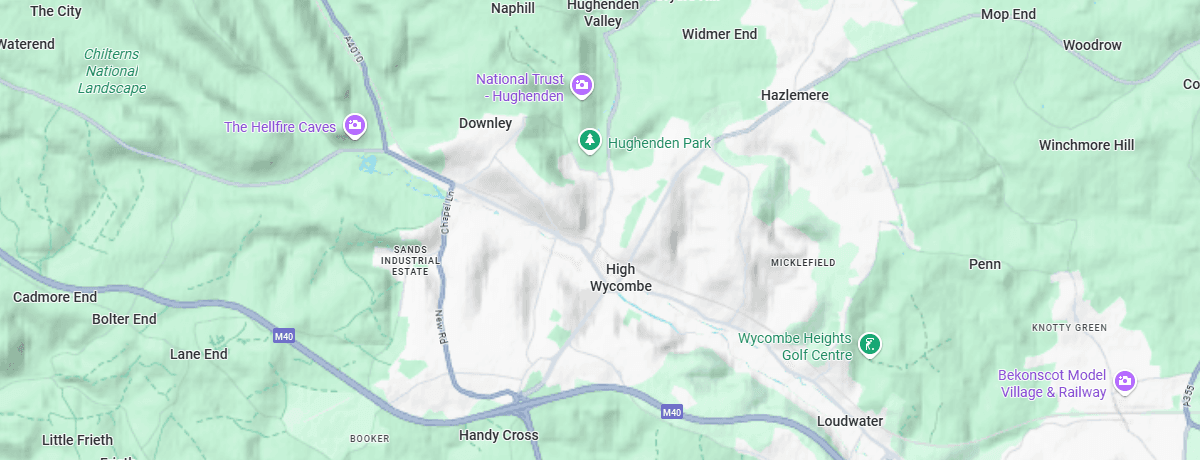
We also offer free delivery to all of the local areas around High Wycombe including Bowerdean, Hazlemere, Bovingdon, Chesham, Tring and St Albans. Whether you live near High Wycombe Rye Lido, close to The Hell Fire Caves, or near Chesham United Football Club, we’ll bring your logs right to your door.
Why choose us for your logs in High Wycombe?

You might’ve seen our delivery vans near High Wycombe Park, the Embankment, or on the A421. Whether you’re in a Victorian terrace near the town centre or a countryside home on the outskirts, we’re here to keep your firewood topped up all year round.
Send us a picture of one of our vans in High Wycombe and we’ll add some free firelighters to your next order!
Fun Facts…. High Wycombe’s Historic Connection to Wood and Fire
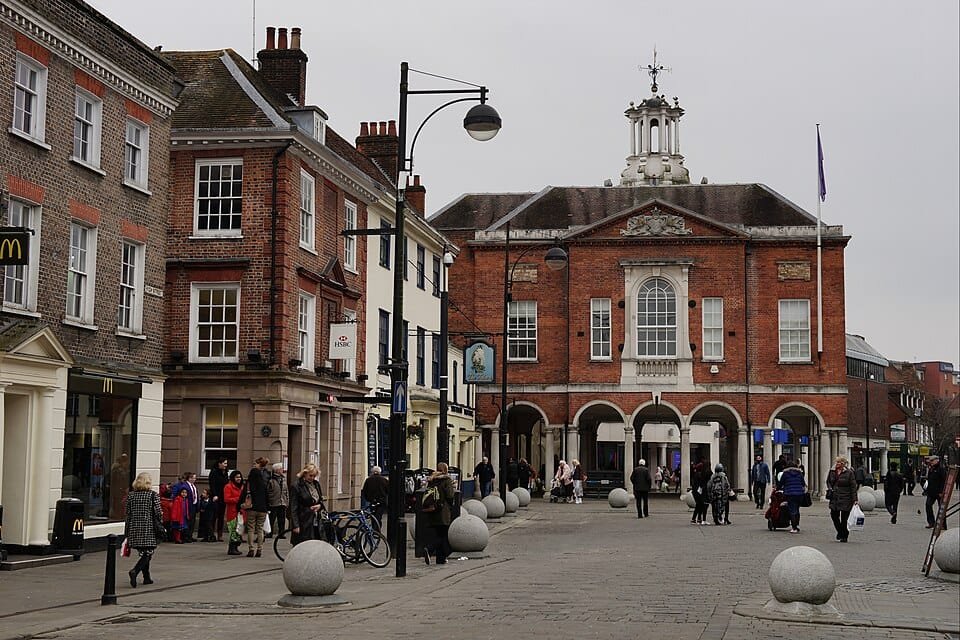
High Wycombe has a long and fascinating historic connection to wood, fire, and especially chair-making—earning it the nickname “the chair-making capital of Britain.”
A Legacy Rooted in the Chiltern Woods
From as early as the 17th century, the dense beech, elm, and ash woodlands in the Chiltern Hills surrounding High Wycombe were home to “bodgers”. Wood-turning craftsmen who worked in woodland huts, shaping chair legs and spindles on foot‑powered pole lathes. These bodgers supplied vital components to the town’s chair-makers. By the mid-19th century, workshops and factories in the town transformed these components into finished Windsor and ladder-back chairs, viewed as functional yet elegant for both servants’ quarters and middle-class homes.
Furniture Factories & Industrial Rise
Chair-making began as a cottage industry but evolved dramatically with industrialisation. By the 1860s, roughly 150 furniture workshops operated around High Wycombe. By 1875, they were collectively producing about 4,700 chairs per day. The coming of the railway in 1854 allowed finished chairs to be shipped directly to London, massively expanding commercial reach.
Adapting Woodcraft in Wartime
The famed High Wycombe Furniture Factory (built in 1887 by James Elliott & Sons) not only crafted Windsor chairs but pivoted during both World Wars: producing wooden flaps for aeroplane wings in WWI and fireproof maritime furniture for the Royal Navy in WWII. Many other local factories also switched to making aircraft components, like those for the De Havilland Mosquito, demonstrating how wood craftsmen adapted their skills for national needs.
Post-War Innovation & Legacy Brands
After WWII, High Wycombe continued producing high-quality furniture for affluent homes. It was home to iconic firms such as Ercol, G‑Plan, Parker Knoll, and William Hands. Notably, Ercol helped pioneer techniques like steam-bent elm Windsor chairs under the Utility Scheme and a rapid‑production process. Each of these names left a mark, many with roots traced back to local bodgers and craftsmanship.
Fire – A Dual Role in Wood Heritage
Fires shaped High Wycombe’s story in two critical ways:
- Heat and flame were integral to woodcraft, from the drying kilns used in the factory to the fireproofing processes during wartime.
- Paradoxically, fire also nearly destroyed furniture factories: for example, William Birch’s modern fireproof factory suffered fires despite its design.
In Summary
High Wycombe’s heritage is built around wood and fire, literally and metaphorically. It began with woodland bodgers shaping timber by firelight, evolved into an industrial hub fueled by steam and coal, and transformed again during wartime to support the nation. Its legacy continues today through museums, preserved factories, and furniture brands tracing their roots back to the Chiltern woods.