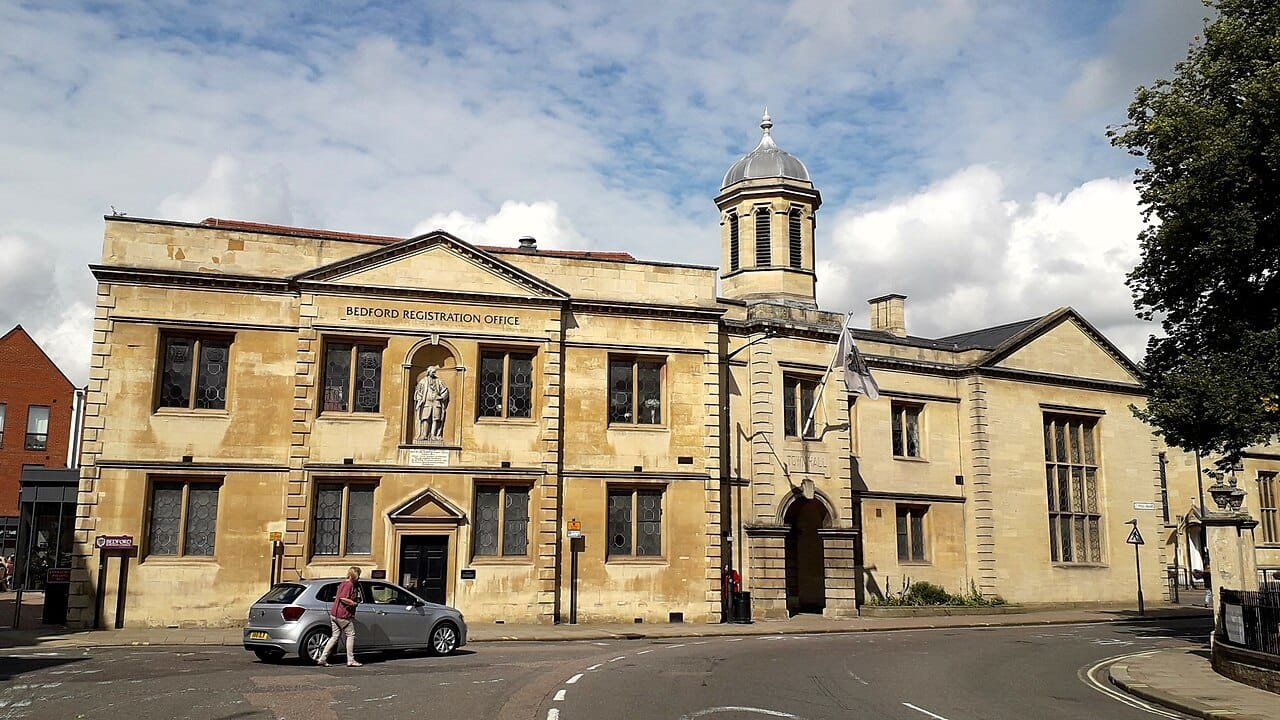
Logs and Firewood Bedford
Firewood Bedford
Free delivery to Bedford
and surrounding areas.
- Kiln-dried logs
- Free delivery
- Free stacking service
- Local team delivering to Bedford


Firewood Bedford
Free delivery to Bedford and surrounding areas.
- Kiln-dried logs
- Free delivery
- Free stacking service
- Local team delivering to Bedford
At Nene Valley Firewood, we supply top-quality kiln-dried logs with free delivery and stacking across Bedford and surrounding villages. Whether you’re in town or tucked away in the Bedfordshire countryside, our local team delivers straight to your door—fast, friendly, and five-star rated. Keep your home warm with sustainably sourced wood, dried and ready to burn.
Best Selling Logs And Firewood In Bedford

Kiln Dried Hardwood Logs – Bulk Bag
£145 Incl. VAT
Top-quality firewood logs with a long burn and great heat efficiency.

Kiln Dried Hardwood Logs 1, 2 or 3 loose m³
£210/M3 Incl. VAT (WITH FREE STACKING)
Buy Kiln-dried hardwood logs by the cubic metre for economy and value. Logs will be stacked for free in an outside location.
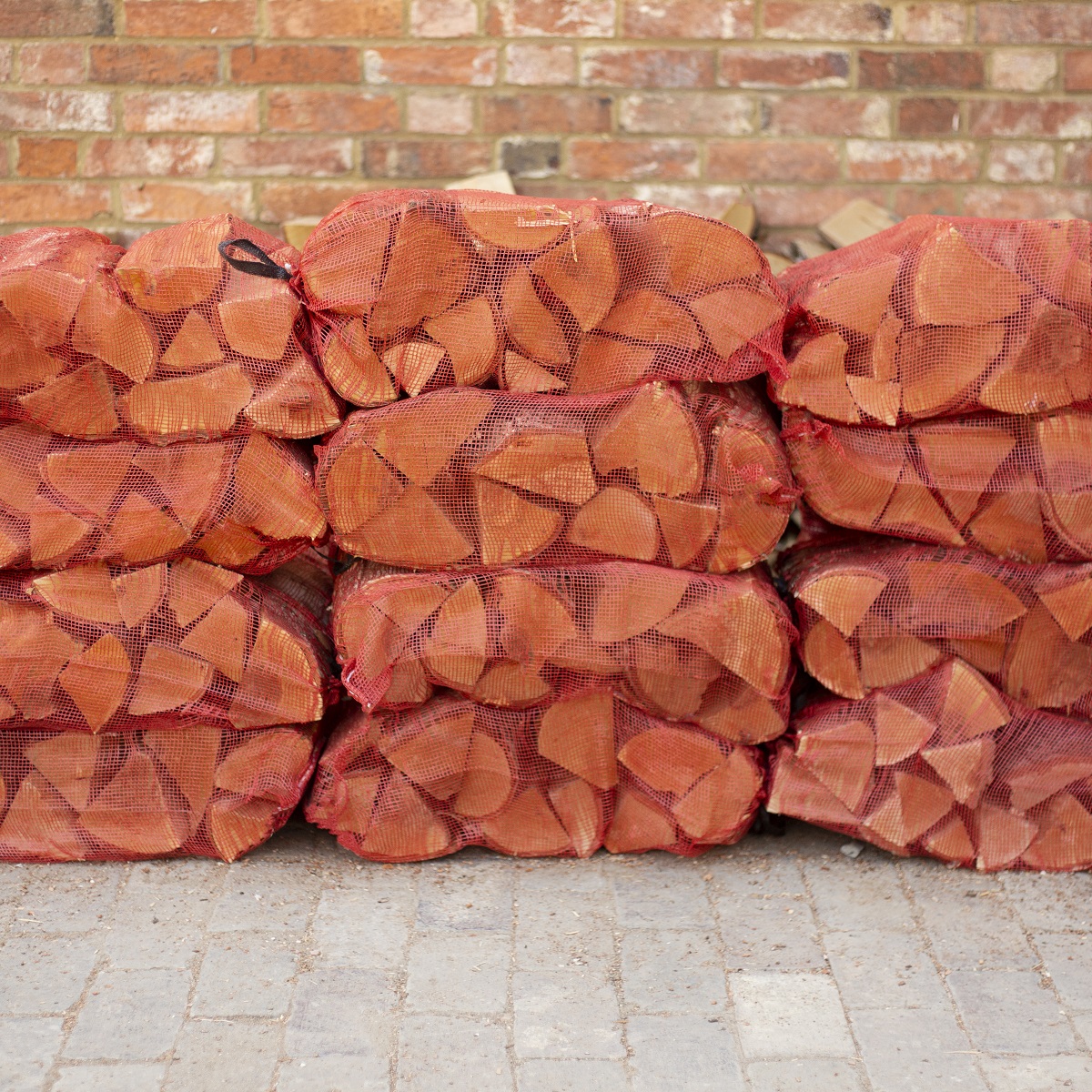
Kiln Dried Hardwood Logs 12, 30 or 60 nets
£110 – £450 Incl. VAT
Choose from 12, 30 or 60 nets for economy firewood. Always below 18% moisture content.




Free Firewood Delivery Beyond Bedford
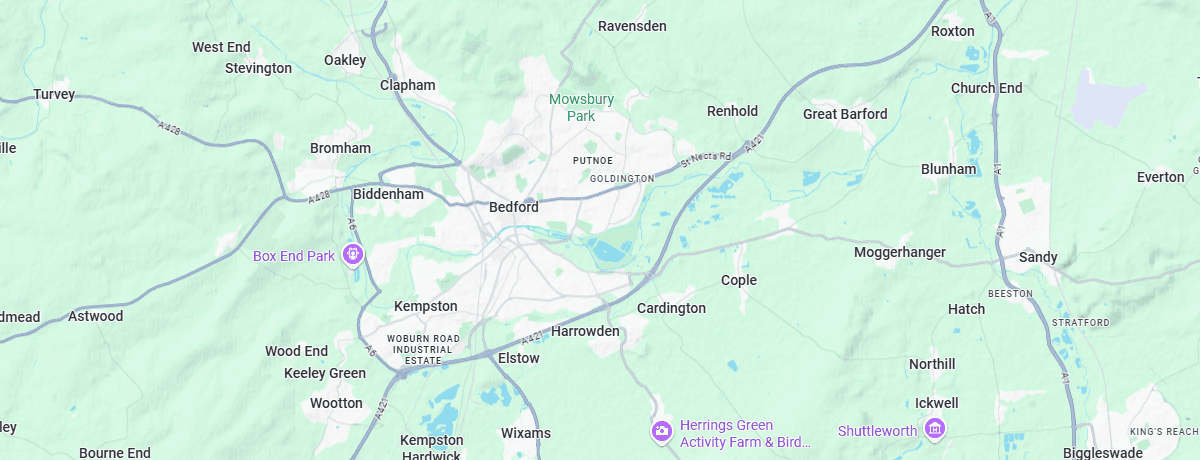
We also offer free delivery to all of the local areas around Bedford including Wooton, Oakley, Great Barford, Olney, Biddenham or Flitwick. Whether you live near Bedford Castle Mound, close to Willington Dovecote & Stables, or near English Heritage – Long Thorpe Tower, we’ll bring your logs right to your door.
Why choose us for your logs in Bedford?

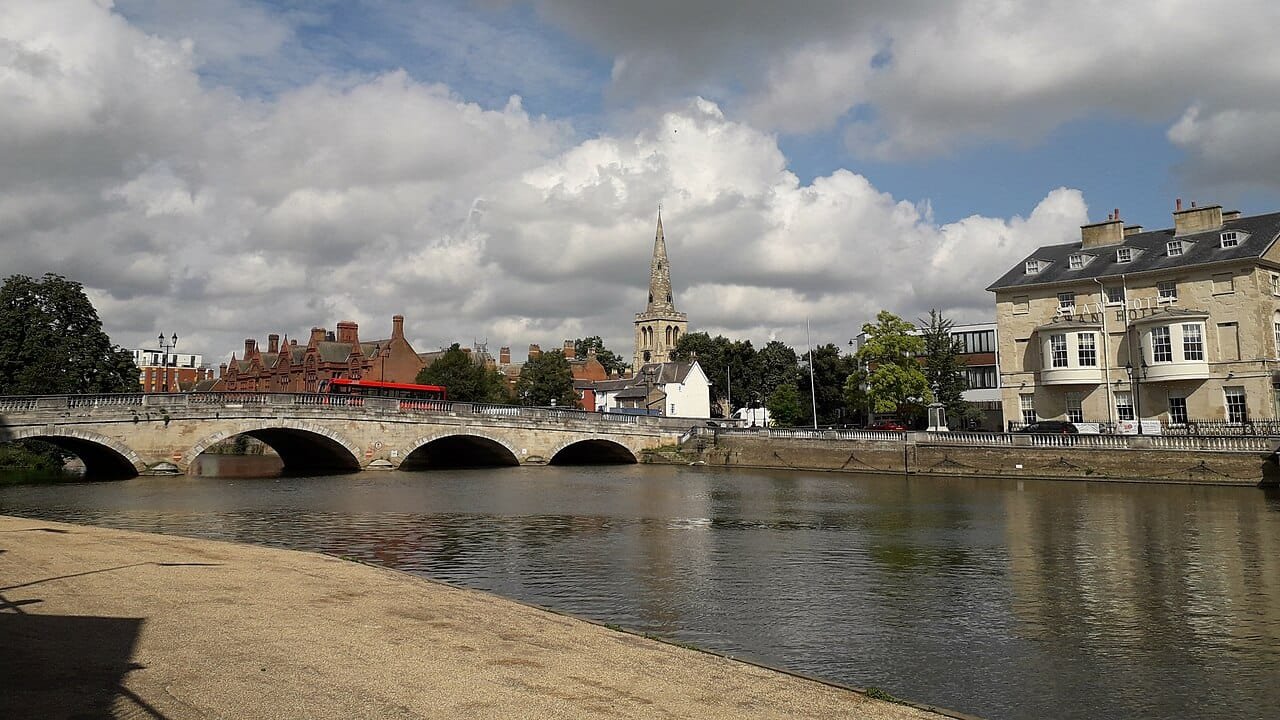
You might’ve seen our delivery vans near Bedford Park, the Embankment, or on the A421. Whether you’re in a Victorian terrace near the town centre or a countryside home on the outskirts, we’re here to keep your firewood topped up all year round.
Send us a picture of one of our vans in Bedford and we’ll add some free firelighters to your next order!
Fun Facts…. Bedford’s Historic Connection to Wood and Fire
Wood: Ancient Woodland And Industrial Use
Domesday-era woodlands: Medieval Bedfordshire was heavily forested, over 25,000 acres supporting pig grazing (for acorns) and settlements in Wootton, Oakley, Willington, and more.
Ancient woods still preserved: Notable sites like Putnoe Wood (recorded in Domesday) and Odell Great Wood feature oak, ash, maple, and coppiced hazel, relics of age-old woodland management. Putnoe Wood is now a Local Nature Reserve, cared for by volunteers.
Royal Forest Lands: Areas like Bedford Purlieus were once part of the expansive Forest of Rockingham, falling under medieval forest laws and royal hunting rights.
Fire: Brigades, Big Blazes, and Community Response
Volunteer Fire Brigade (c. 1869–1870)
• Bedford’s Volunteer Fire Brigade was established by 1869–1870. In 1888, the brigade moved into a new Engine House on Mill Street with a full-time engineer.
• Walter Norman Mead exemplified the brigade’s dedication: he joined in 1892, served over 35 years, won championships operating steam pumps, and earned medals for both peacetime and WWII service.
Infrastructure and Professionalisation
• In 1880, the brigade moved into a purpose-built Volunteer Fire Brigade House on Mill Street, with twenty men and a resident engineer.
• Responsibility transferred to the Bedford Borough Council in 1919, and later merged into the National Fire Service (1941), before forming part of the county fire service in 1947.
Significant Fires & Regional Response
• Potton fire, 1878: A large-scale blaze required brigade assistance from Biggleswade and Sandy, with over a quarter-mile of hose relaying water, a feat of coordination.
• Odell Castle fire: Bedford brigade joined with Rushden to save parts of the historic castle, risking their lives amid collapsing masonry and towering flames.
• Meppershall fire, 1899: Thatched barns and cottages were consumed after a threshing engine sparked a devastating blaze, with embers blown miles away.
Wood & Fire Together: Industrial Hazards
Many fires intertwined wood and industry:
• Steam engines used for milling or threshing were common ignition sources, as in Meppershall’s blaze.
• Private fire brigades were part of large factories (e.g., W. H. Allen’s, Peak Frean’s), working alongside the town brigade.
Summary
• Wood: Bedfordshire’s landscape was shaped by medieval forests, ancient woodlands (Putnoe, Odell), and forest laws.
• Fire: The community developed organized fire response from mid-19th-century volunteer brigades to a formalized professional service.
• Legacy: Notable fires—from rural conflagrations to castle blazes—spurred regional cooperation and infrastructure improvements.
• Continuity: Wood fuel, industrial steam, and technological evolution all connected the medieval to the modern in Bedford’s history with wood and fire.