Logs & Firewood Atherstone
Atherstone Firewood
Free delivery to Atherstone
and surrounding areas.
- Kiln-dried logs
- Free delivery
- Free stacking service
- Local team delivering to Atherstone


Atherstone Firewood
Free delivery to Atherstone and surrounding areas.
- Kiln-dried logs
- Free delivery
- Free stacking service
- Local team delivering to Atherstone
At Nene Valley Firewood, we supply top-quality kiln-dried logs with free delivery and stacking across Atherstone and surrounding villages. Whether you’re in town or tucked away in the Warwickshire countryside, our local team delivers straight to your door. Fast, friendly, and five-star rated. Keep your home warm with sustainably sourced wood, dried and ready to burn.
Best Selling Logs And Firewood In Atherstone

Kiln Dried Hardwood Logs – Bulk Bag
£145 Incl. VAT
Top-quality firewood logs with a long burn and great heat efficiency.

Kiln Dried Hardwood Logs 1, 2 or 3 loose m³
£210/M3 Incl. VAT (WITH FREE STACKING)
Buy Kiln-dried hardwood logs by the cubic metre for economy and value. Logs will be stacked for free in an outside location.
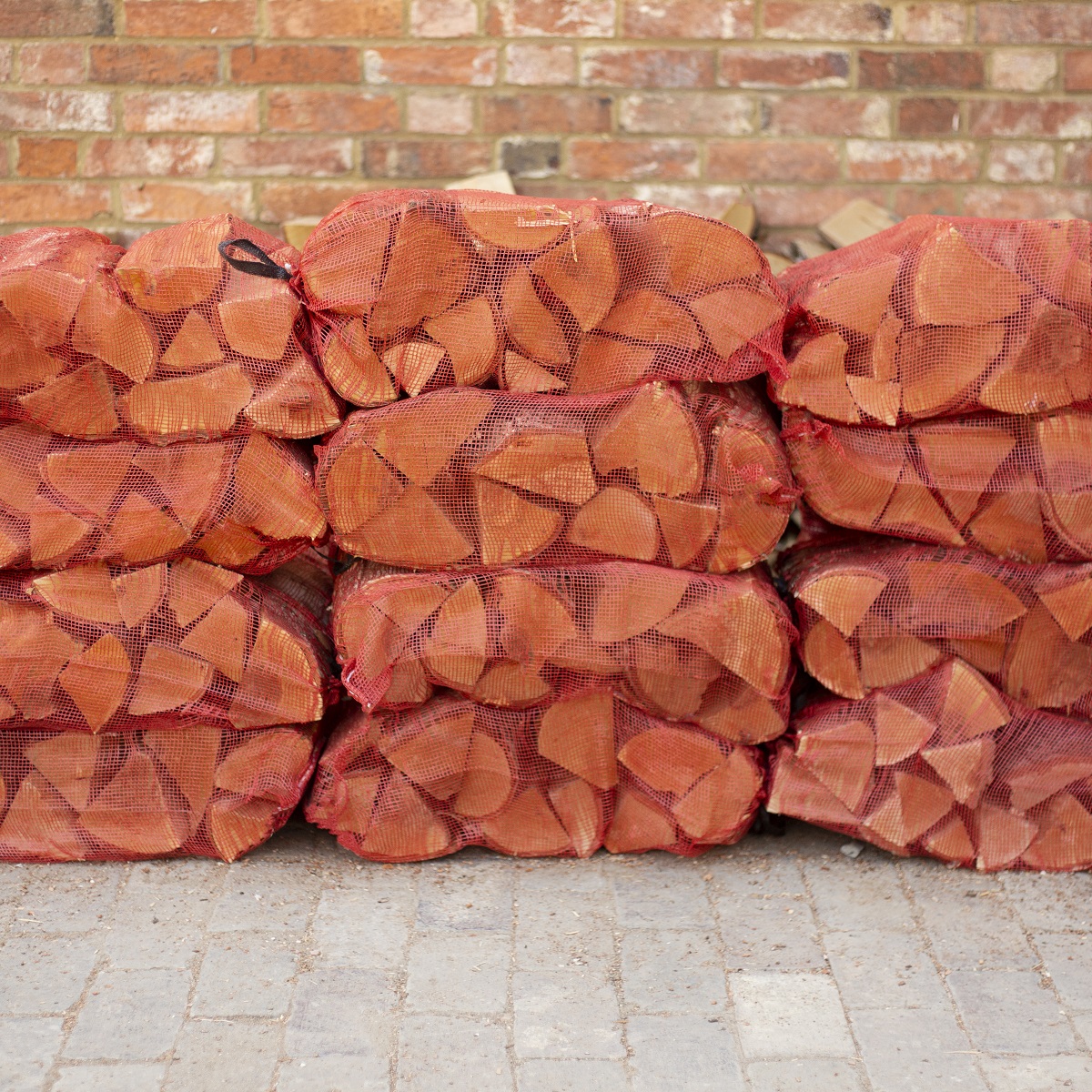
Kiln Dried Hardwood Logs 12, 30 or 60 nets
£110 – £450 Incl. VAT
Choose from 12, 30 or 60 nets for economy firewood. Always below 18% moisture content.
Free Firewood Delivery Beyond Atherstone
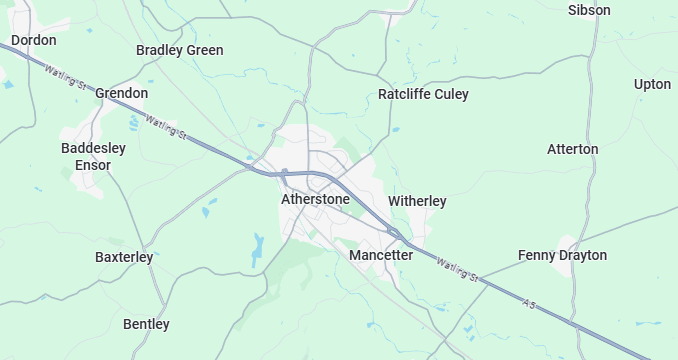
We also offer free delivery to all of the local areas around Atherstone including Nuneaton, Tamworth, Hinkley, Market Bosworth, Polesworth and Earl Shilton.
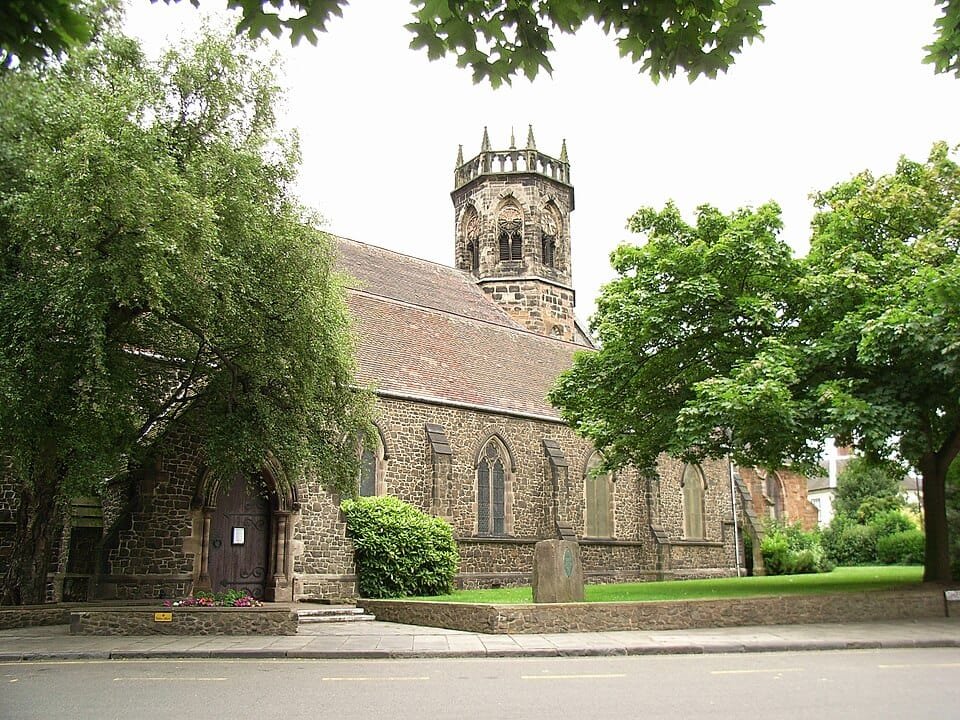
Whether you live near St Peter’s Church, along Ratcliffe Road, or in a countryside village, we’ll bring your logs right to your door.
Why choose us for your logs in Atherstone?

You might’ve seen our delivery vans near Riverside Wildlife Area, Atherstone Golf Club, or on the A5. Whether you’re in a Victorian terrace near the town centre or a rural farmhouse on the outskirts, we’re here to keep your firewood topped up all year round.
Send us a picture of one of our vans in Atherstone and we’ll add some free firelighters to your next order!
Fun Facts…. Atherstone’s Historic Connection to Wood and Fire
Woodland & timber resources
• The area around Atherstone included remnants of woods/wood-pasture such as the “Out Woods” (south-west of Atherstone) and Bentley Park/Monks Park Wood, which appear to have been common grazed woodland from the medieval period onwards.
• A historical site labelled “Woods Yard” in Atherstone (1900s) shows a yard named after wood, suggesting timber-activity or wood-storage in town.
Timber Presence
• While Atherstone is more famed for hatting, metal-working and other trades, wood and timber merchants are present in more recent times.
• Access to woodland or timber resources was key in pre-industrial and early industrial economies: timber for building, for fuel, for charcoal, for supports, for tools, etc.
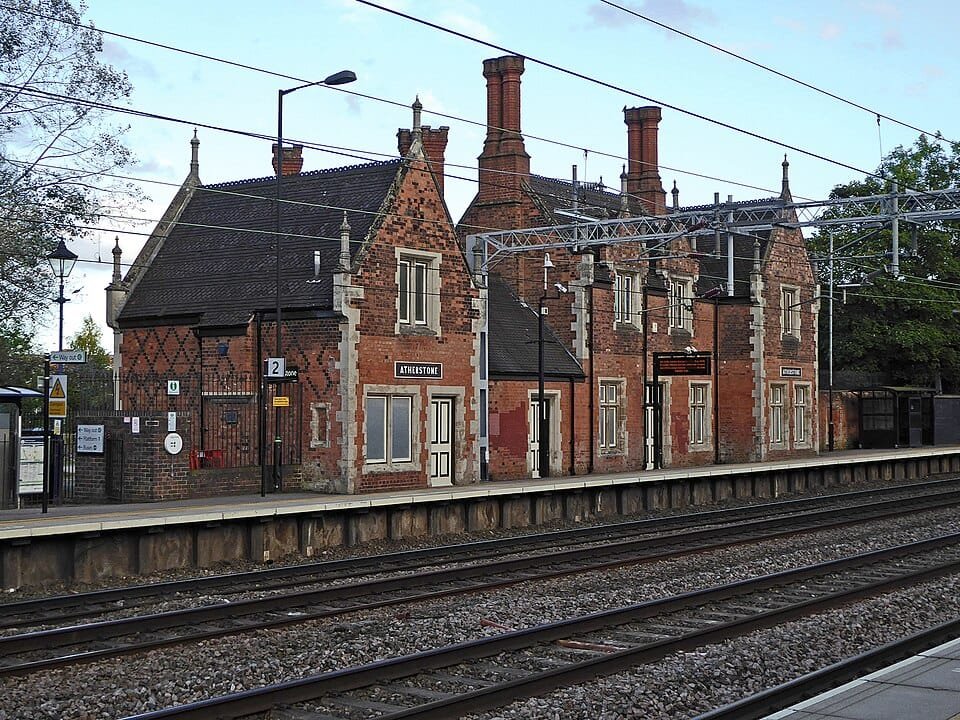
• The presence of yards, timber trade reflect Atherstone’s role in wider supply chains: the town lies on the old Roman‐road route (Watling Street) and later canal/rail connections facilitated movement of goods.
• Woodland clearance/milling would have been part of the transformation from agrarian to industrial landscapes, so the wood connection shows a side of Atherstone’s growth beyond just textiles/hat-making.
Industrial fires, mining disasters & risk of fire
• In 1882, at the nearby Baddesley Colliery (a few miles from Atherstone), there was an explosion of gas and fire: the report states that a boiler had been installed in a return airway, and coal on either side was supposed to have been set on fire from that boiler.
• In manufacturing trades in Atherstone (shirt-making, hatting, metalworking, nailers, locksmiths) the use of furnaces, coal, fire-based heating was integral. For example, by the late Tudor period, Atherstone had become a centre for leather working, cloth-making, metal-working and these used local coal and furnaces.
• Most prominently: on 2 November 2007 a major warehouse fire at a facility in Atherstone-on-Stour (near Atherstone) killed four firefighters from the Warwickshire Fire & Rescue Service. The fire started on a pallet in a packaging warehouse, spread rapidly, caused collapse, and was the subject of detailed investigations.
Fire’s role in economic history
• Local industries such as hat-making, leather working, metal-working all required fire, heat, furnaces: for felting hats, heating hides, forging metal. Atherstone’s history points to these trades being significant.
• The presence of coal (for fuel) and the canal/rail links meant that fuel and transportation were available; fire (in the sense of heat) enabled industrial activity.
• The disastrous fires (e.g., the colliery and warehouse fire) highlight the hazards of industrialisation and fire risk in towns like Atherstone.
Integrated perspective: Wood + Fire
When you look at both together, you can see a pattern:
• Wood (as resource) and fire (as energy/source of heat) are two sides of industrial-process: timber for fuel, for building, for tool support; fire/furnaces for manufacturing, for heating, for processing.
• In Atherstone the manufacturing legacy (hatting, metal-working) depended on fuel and heat (fire) and likely timber (either as fuel or as material).
• Woodland and wood‑pasture around Atherstone (the Out Woods etc) provided timber‑resources which would feed into trades; fire‑based trades used fuel, highlighting the interplay of natural resource + industrial process.
• The story of mine/coal/industrial disaster shows the risk when the energy side (fire, fuel) isn’t safely contained — reinforcing that fire was not only enabling industry but also a hazard.
Why Atherstone’s connection is interesting
• Atherstone is often known for the hatting industry, the annual ball game, the Roman road route, but looking at wood & fire reveals less‑celebrated but significant aspects of the town’s industrial base.
• It illustrates how even smaller market towns had a complex web of industries: not just agriculture or textiles but metal‑working, fuel/wood supply, manufacturing, and associated risks.
• The presence of woodland/wood‑pasture nearby shows how natural landscapes were feeding industrial growth. The fire‑disasters show that industrial growth came with danger.