Bedworth Logs & Firewood
Bedworth Logs
Free delivery to Bedworth
and surrounding areas.
- Kiln-dried logs
- Free delivery
- Free stacking service
- Local team delivering to Bedworth


Bedworth Logs
Free delivery to Bedworth and surrounding areas.
- Kiln-dried logs
- Free delivery
- Free stacking service
- Local team delivering to Bedworth
At Nene Valley Firewood, we supply top-quality kiln-dried logs with free delivery and stacking across Bedworth and surrounding villages. Whether you’re in town or tucked away in the Warwickshire countryside, our local team delivers straight to your door. Fast, friendly, and five-star rated. Keep your home warm with sustainably sourced wood, dried and ready to burn.
Best Selling Logs And Firewood In Bedworth

Kiln Dried Hardwood Logs – Bulk Bag
£145 Incl. VAT
Top-quality firewood logs with a long burn and great heat efficiency.

Kiln Dried Hardwood Logs 1, 2 or 3 loose m³
£210/M3 Incl. VAT (WITH FREE STACKING)
Buy Kiln-dried hardwood logs by the cubic metre for economy and value. Logs will be stacked for free in an outside location.
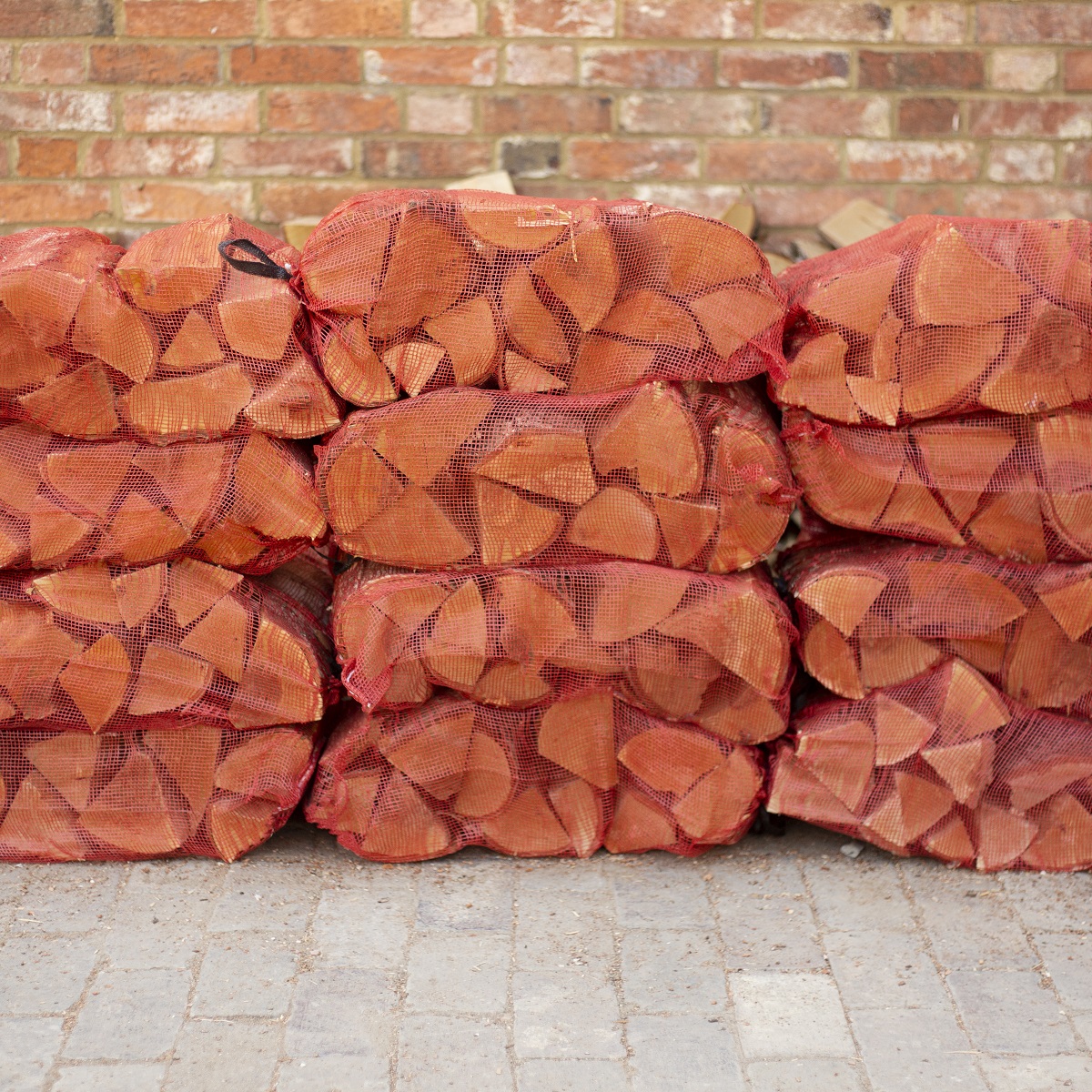
Kiln Dried Hardwood Logs 12, 30 or 60 nets
£110 – £450 Incl. VAT
Choose from 12, 30 or 60 nets for economy firewood. Always below 18% moisture content.
At Nene Valley Firewood, we supply top-quality kiln-dried logs with free delivery and stacking across Bedworth and surrounding villages. Whether you’re in town or tucked away in the Warwickshire countryside, our local team delivers straight to your door. Fast, friendly, and five-star rated. Keep your home warm with sustainably sourced wood, dried and ready to burn.
Free Firewood Delivery Beyond Bedworth
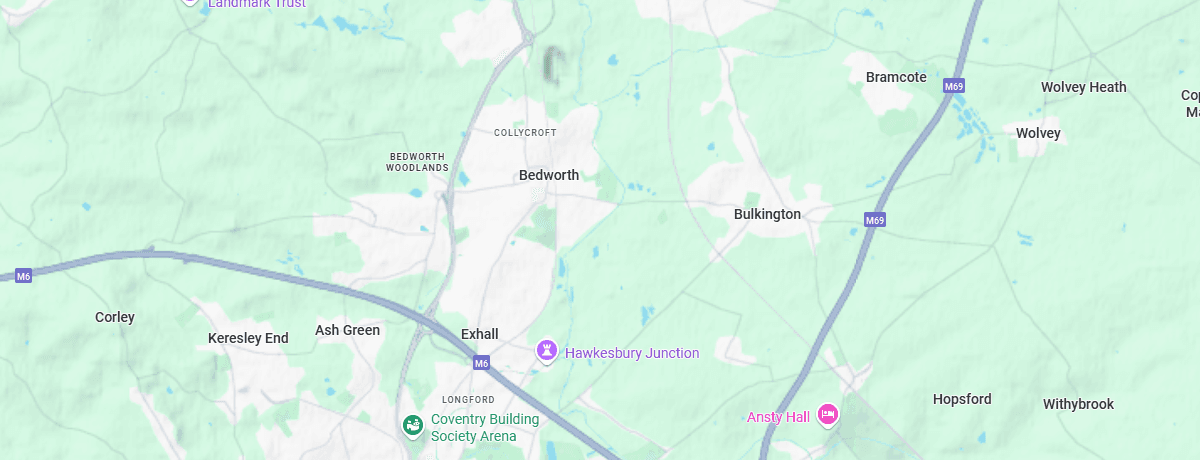
We also offer free delivery to all of the local areas around Bedworth including Bulkington, Nuneaton, Coventry, Hinckley, Fillongley, New Arley, Bramcote or Wolvey. Whether you live near Newtown road, along the Coventry Road, or in a countryside village, we’ll bring your logs right to your door.
Why choose us for your logs in Bedworth?

You might’ve seen our delivery vans near Bedworth Heritage Centre, or on the A444. Whether you’re in a Victorian terrace near the town centre or a rural farmhouse on the outskirts, we’re here to keep your firewood topped up all year round. Send us a picture of one of our vans in Bedworth and we’ll add some free firelighters to your next order!
Fun Facts…. Bedworth’s Historic Connection to Wood and Fire
Home of the Firewood Merchants
In the 19th and early 20th centuries, Bedworth was known locally for its firewood merchants. Small businesses and families would cut and bundle wood for heating and cooking, supplying homes across Warwickshire.
• The surrounding woodlands, especially around Goodyers End and Exhall, were key sources.
• Children were often employed to collect sticks and kindling – a cottage industry.
Bodgers and Pole Lathes
Bedworth had links to traditional woodcrafts, including the practice of bodging – the craft of turning wood using a foot-powered lathe (pole lathe), often in forested areas.
• Bodgers would make chair legs and spindles, especially for the nearby Nuneaton and Coventry furniture industries.
• Though more associated with the Chilterns, evidence of similar craft activity was found around the Bedworth Heath and Arbury areas.
The Fire Beacon Tradition
• In the early 20th century, Bedworth residents would sometimes light beacons or large bonfires on public holidays or royal events – notably in Miners’ Welfare Park and Bedworth Heath.
• These fire traditions linked back to Tudor beacon systems, where signal fires were lit across England in times of danger.
Church Heating: A Tale of Timber and Fire
• Churches like All Saints and Old Meeting Church were historically heated by coal and wood stoves.
• Volunteers (often parishioners) were responsible for keeping the fires going during winter services, a laborious task involving large quantities of chopped wood.
WWII and Air-Raid Precautions: Firewatching in Bedworth
During WWII, firewatchers were stationed around Bedworth to spot and extinguish fires caused by incendiary bombs.
• Homes and buildings were equipped with water buckets and sand, while wooden roofs were particularly vulnerable.
• The fire service was largely volunteer-based, and local wood piles were sometimes repurposed for defence or fuel.