

Logs & Firewood Bicester
Firewood Bicester
Free delivery to Bicester
and surrounding areas.
- Kiln-dried logs
- Free delivery
- Free stacking service
- Local team delivering to Bicester


Bicester Logs
Free delivery to Bicester and surrounding areas.
- Kiln-dried logs
- Free delivery
- Free stacking service
- Local team delivering to Bicester
At Nene Valley Firewood, we supply top-quality kiln-dried logs with free delivery and stacking across Bicester and surrounding villages. Whether you’re in town or tucked away in the Oxfordshire countryside, our local team delivers straight to your door. Fast, friendly, and five-star rated. Keep your home warm with sustainably sourced wood, dried and ready to burn.
Best Selling Logs And Firewood In Bicester

Kiln Dried Hardwood Logs – Bulk Bag
£145 Incl. VAT
Top-quality firewood logs with a long burn and great heat efficiency.

Kiln Dried Hardwood Logs 1, 2 or 3 loose m³
£210/M3 Incl. VAT (WITH FREE STACKING)
Buy Kiln-dried hardwood logs by the cubic metre for economy and value. Logs will be stacked for free in an outside location.
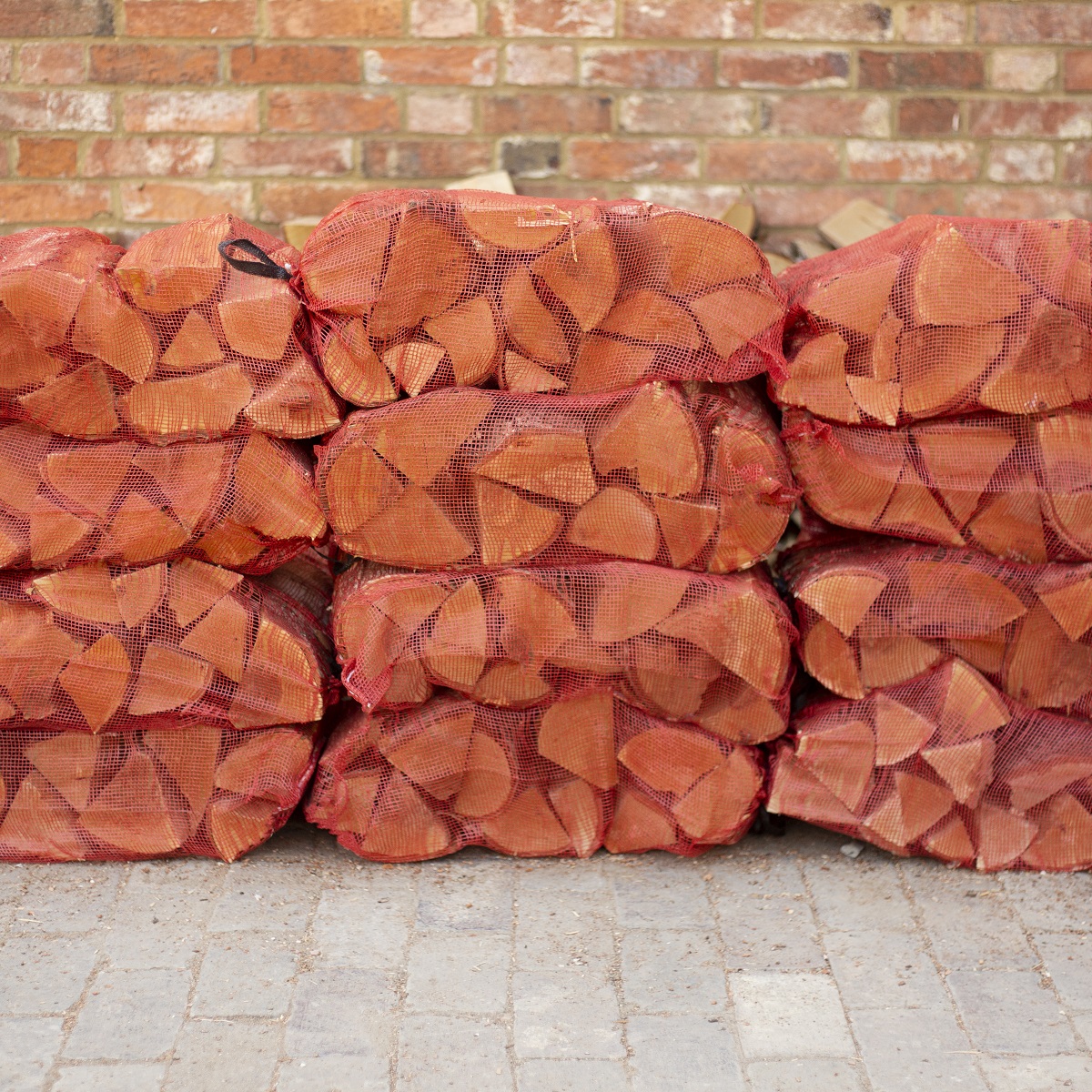
Kiln Dried Hardwood Logs 12, 30 or 60 nets
£110 – £450 Incl. VAT
Choose from 12, 30 or 60 nets for economy firewood. Always below 18% moisture content.




Free Firewood Delivery Beyond Bicester
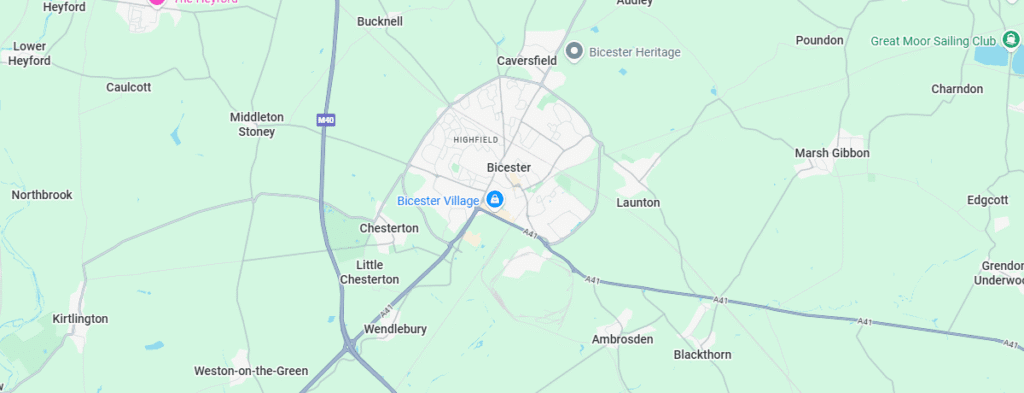
We also offer free delivery to all of the local areas around Bicester including Caversfield, Launton, Chesterton, Middleton Stoney, Ambrosden, Bucknell and Marsh Gibbon. Whether you live near Bicester Shopping Village, along the Banbury Road, or in a countryside village, we’ll bring your logs right to your door.
Why choose us for your logs in Bicester?

You might’ve seen our delivery vans near Garth Park, Bicester Heritage, or on the A41. Whether you’re in a Victorian terrace near the town centre or a rural farmhouse on the outskirts, we’re here to keep your firewood topped up all year round.
Send us a picture of one of our vans in Bicester and we’ll add some free firelighters to your next order!
Fun Facts…. Bicester’s Historic Connection to Wood and Fire
Evidence & Aspects of Wood in Bicester’s History
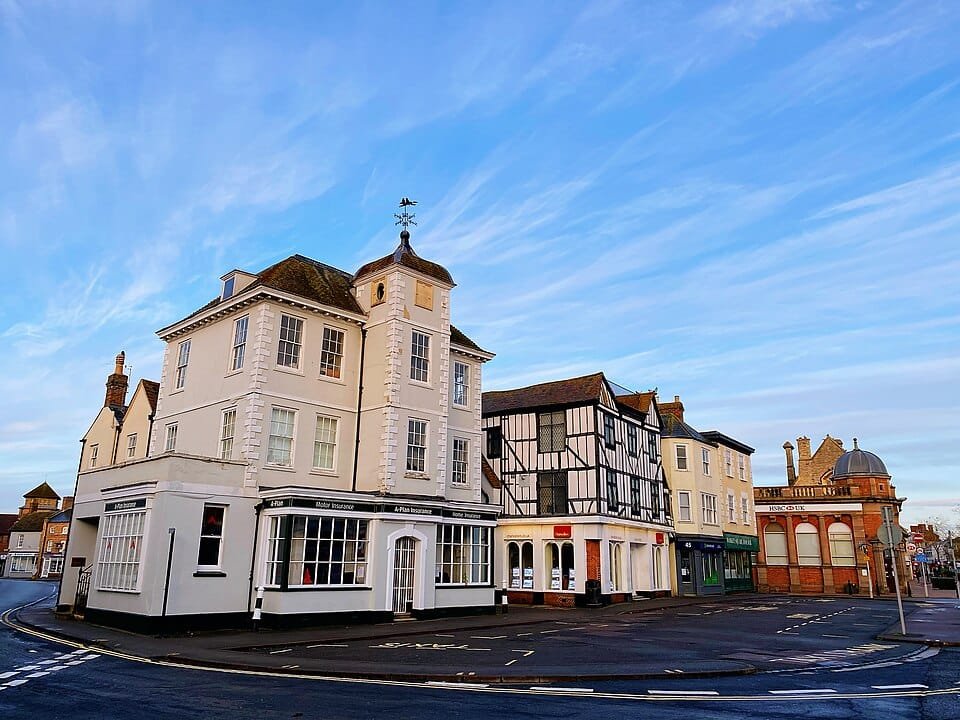
Use of timber in building / vernacular architecture – Bicester’s older houses include timber-framed structures. The wood came from nearby forests, notably Bernwood Forest. Timber frames with infill (“stud and lath”) and lime render were common. So wood was important as a construction material.
Forests and ancient woodland near Bicester – Bernwood Forest was once very large, several hundred square kilometres, covering parts of what is now north Oxfordshire and Buckinghamshire. There are remnant woods like Piddington Wood, which are part of that ancient forest. Also, Whitecross Green and Oriel Woods is an ancient woodland area near Bicester, linked to former royal forests.
Customary rights and firewood gathering – In forested areas historically, people had customary rights to collect deadwood, “snapwood” (small fallen branches), and wood for fencing, repairs, etc. Complaints are recorded from medieval through to modern times about overuse or abuse of these rights, indicating wood and its availability was an important local resource.
Naming & Trees as Landmarks – Several place-names around Bicester reference trees (Oak, Elm, etc) and there was a prominent elm in Weston planted in 1672. These reflect the cultural importance of trees. Orchards and specific trees in fields were significant in ownership and local identity.
Land use change and woodland creation in modern times – More recently, projects like Burnehyll Community Woodland show that woodlands are once again becoming part of Bicester’s landscape, both for environmental and social utility. Planting trees, managing woodlands, creating green buffers etc. feature in current planning.
Fire – Key Events & Fire as Theme
While “fire” doesn’t show as a single unifying theme historically (as with wood), there are events and functions:
Recent major fire at Bicester Motion (ex-RAF Bicester) – In May 2025 a major fire broke out in a historic hangar at Bicester Motion. The fire killed two firefighters and one member of the public, injured others, and destroyed part of a heritage structure. That event highlights how built structures often using older materials like wood or timber elements, can be vulnerable and how fire remains a risk in heritage sites.
Use of fire historically –Fire was implied in wood gathering to fuel households, industries etc. People would have used wood for cooking, heating etc. Classical usage of wood = fire. Also, some woodland management practices included coppicing which produces material both for building and burning.
