Firewood Bourton-on-the-Water
Bourton-on-the-Water Logs
Free delivery to Bourton-on-the-Water
and surrounding areas.
- Kiln-dried logs
- Free delivery
- Free stacking service
- Local team delivering to Bourton-on-the-Water


Bourton-on-the Water Logs
Free delivery to Bourton-on-the-Water and surrounding areas.
- Kiln-dried logs
- Free delivery
- Free stacking service
- Local team delivering to Bourton-on-the-Water
At Nene Valley Firewood, we supply top-quality kiln-dried logs with free delivery and stacking across Bourton-on-the-Water and surrounding villages. Whether you’re in town or tucked away in the Gloucestershire countryside, our local team delivers straight to your door. Fast, friendly, and five-star rated. Keep your home warm with sustainably sourced wood, dried and ready to burn.
Best Selling Logs And Firewood In Bourton-on-the-Water

Kiln Dried Hardwood Logs – Bulk Bag
£145 Incl. VAT
Top-quality firewood logs with a long burn and great heat efficiency.

Kiln Dried Hardwood Logs 1, 2 or 3 loose m³
£210/M3 Incl. VAT (WITH FREE STACKING)
Buy Kiln-dried hardwood logs by the cubic metre for economy and value. Logs will be stacked for free in an outside location.
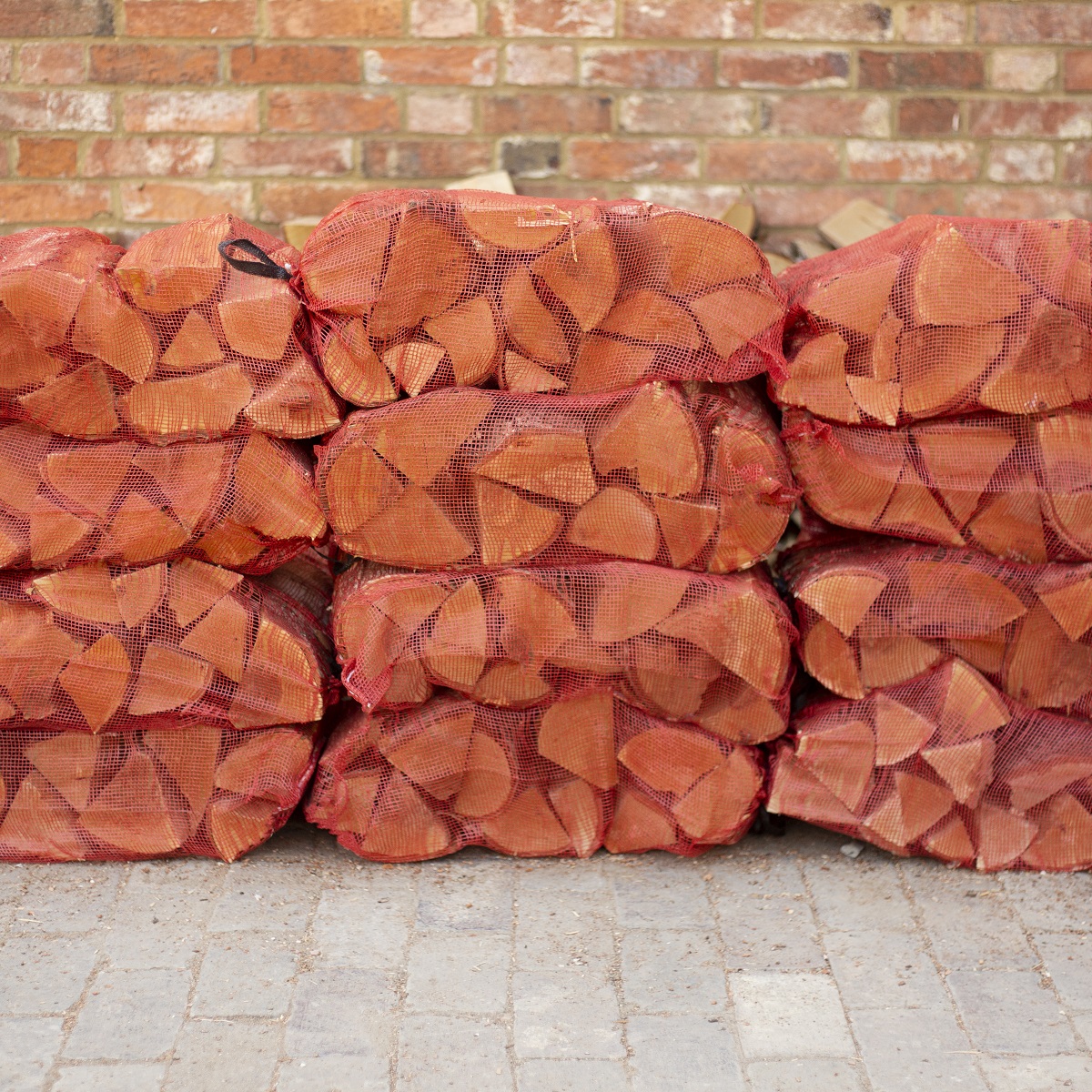
Kiln Dried Hardwood Logs 12, 30 or 60 nets
£110 – £450 Incl. VAT
Choose from 12, 30 or 60 nets for economy firewood. Always below 18% moisture content.
Free Firewood Delivery Beyond Bourton-on-the-Water
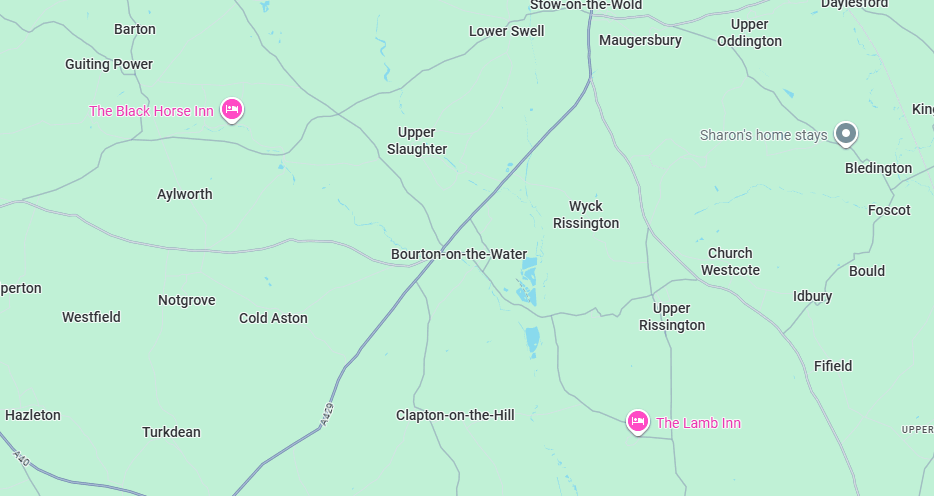
We also offer free delivery to all of the local areas around Bourton-on-the-Water including Upper Slaughter, Lower Slaughter, Stow-on-the-Wold, Maugersbury, Icomb, Wyck Rissington and Church Westcote. Whether you live near Greystone Farm Nature Reserve, along Station Road, or in a countryside village, we’ll bring your logs right to your door.
Why choose us for your logs in Bourton-on-the-Water?

You might’ve seen our delivery vans near The Model Village, Birdland Park and Gardens, or on the A429. Whether you’re in a Victorian terrace near the town centre or a rural farmhouse on the outskirts, we’re here to keep your firewood topped up all year round.
Send us a picture of one of our vans in Bourton-on-the-Water and we’ll add some free firelighters to your next order!
Fun Facts…. Bourton-on-the-Water’s Historic Connection to Wood and Fire
Wood: From Timber Churches to Stone Architecture
Early Timber Origins
The site where St Lawrence’s Church stands today originally hosted a wooden (timber) church around 708 AD, reflecting early Saxon use of wood in religious buildings. This was eventually replaced with a stone Norman church in 1110.
Transition from Wood to Stone
Historically, many buildings in Bourton were timber-framed with thatched or wooden-shingle roofs. However, by the late 16th century, stone began to dominate, partly due to dwindling timber supplies in the parish. By the early 17th century, stone roofs and walls had become standard, with extensive local quarrying underpinning this architectural shift.
Archaeological Evidence
Excavations suggest that medieval homes often had timber roofs fixed with wooden pegs and covered in thatch or wooden shingles. Scorch marks on floors hint at internal fires, despite only one formal hearth being identified.
Fire: Hearths, Mills & Historical Safety Practices
Signs of Internal Fires
The archaeological finds, such as scorch marks in medieval homes, suggest fires were common inside dwellings, perhaps due to cooking or heating practices within primarily wooden structures.
Mill Power & Potential Fire Risk
By the 12th century, the River Windrush had been channelled through the village to power three mills. While vital for local industry, mills often posed fire risks, especially where grain dust or wooden milling equipment was involved.