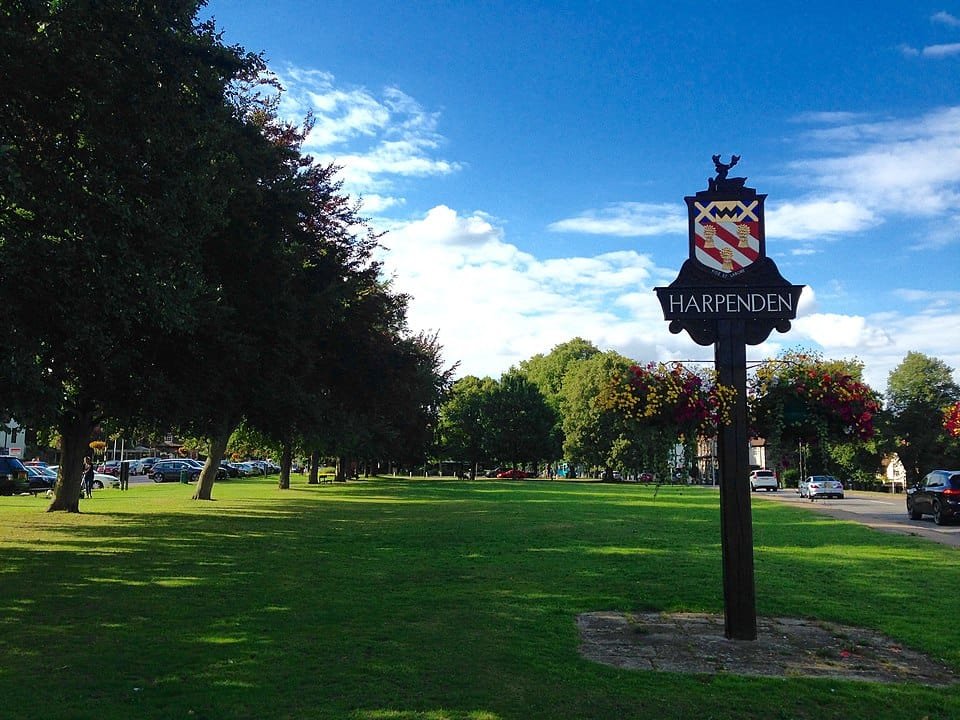
Logs & Firewood Harpenden
Firewood Harpenden
Free delivery to Harpenden
and surrounding areas.
- Kiln-dried logs
- Free delivery
- Free stacking service
- Local team delivering to Harpenden


Firewood Harpenden
Free delivery to Harpenden and surrounding areas.
- Kiln-dried logs
- Free delivery
- Free stacking service
- Local team delivering to Harpenden
At Nene Valley Firewood, we supply top-quality kiln-dried logs with free delivery and stacking across Harpenden and surrounding villages. Whether you’re in town or tucked away in the Hertfordshire countryside, our local team delivers straight to your door. Fast, friendly, and five-star rated. Keep your home warm with sustainably sourced wood, dried and ready to burn.
Best Selling Logs And Firewood In Harpenden

Kiln Dried Hardwood Logs – Bulk Bag
£145 Incl. VAT
Top-quality firewood logs with a long burn and great heat efficiency.

Kiln Dried Hardwood Logs 1, 2 or 3 loose m³
£210/M3 Incl. VAT (WITH FREE STACKING)
Buy Kiln-dried hardwood logs by the cubic metre for economy and value. Logs will be stacked for free in an outside location.
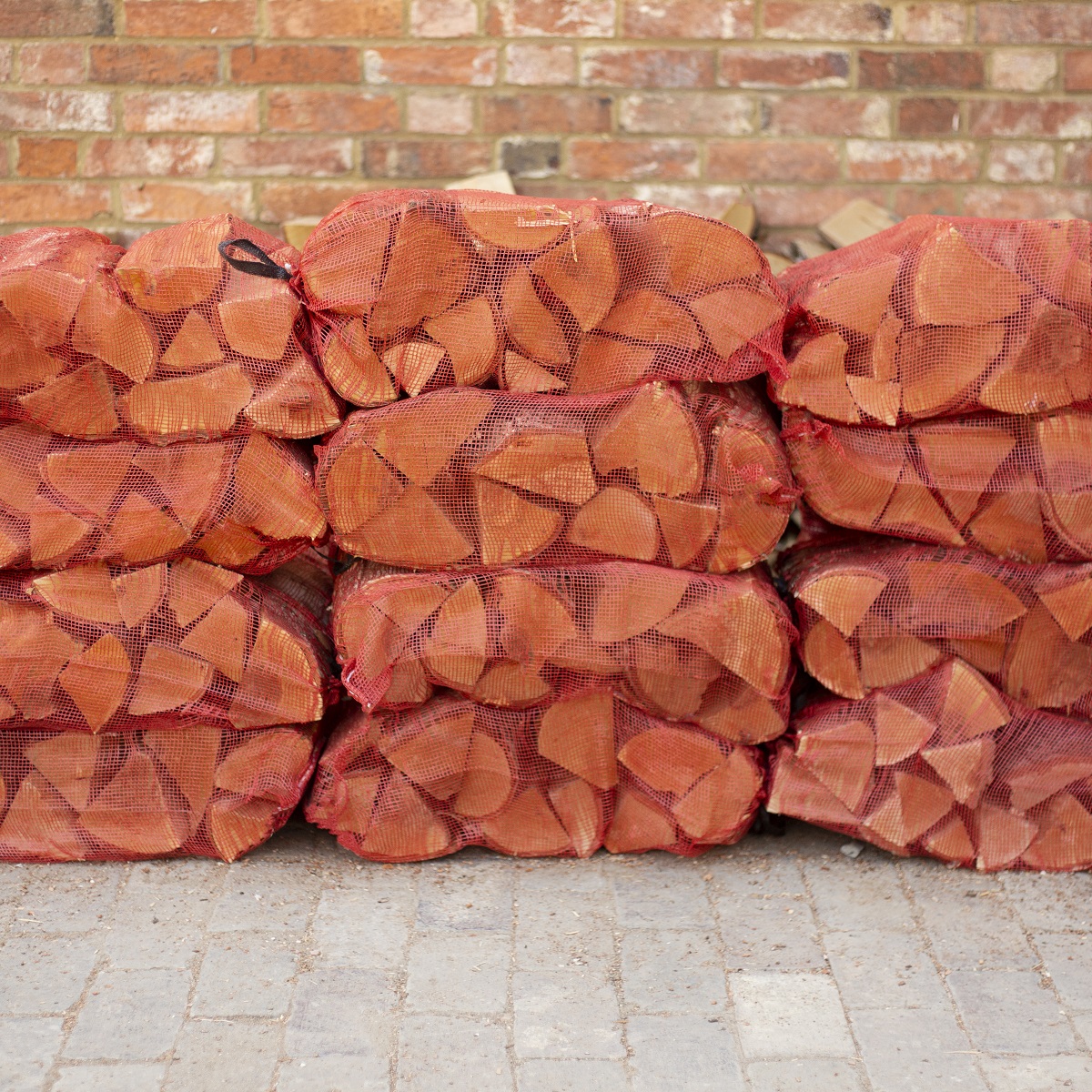
Kiln Dried Hardwood Logs 12, 30 or 60 nets
£110 – £450 Incl. VAT
Choose from 12, 30 or 60 nets for economy firewood. Always below 18% moisture content.
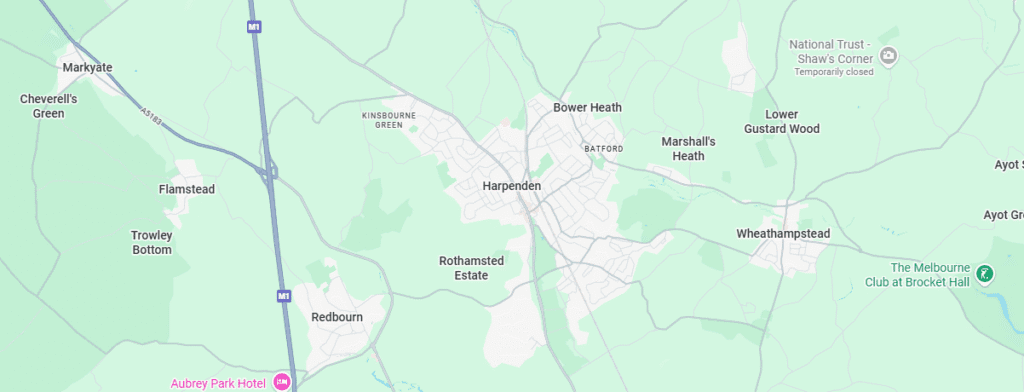
Free Firewood Delivery Beyond Harpenden
We also offer free delivery to all of the local areas around Harpenden including Rothamsted Estate, East Hyde, Redbourn, Flamstead and Markyate. Whether you live near Rothamstead Park, close to Harpenden Farmers’ Market, or near Aldwickbury Park Golf Club, we’ll bring your logs right to your door.
Why choose us for your logs in Harpenden?

You might’ve seen our delivery vans near Harpenden Common, Ahm House, or on the A1081. Whether you’re in a Victorian terrace near the town centre or a countryside home on the outskirts, we’re here to keep your firewood topped up all year round.
Send us a picture of one of our vans in Harpenden and we’ll add some free firelighters to your next order!
Fun Facts….Harpenden’s Historic Connection to Wood and Fire
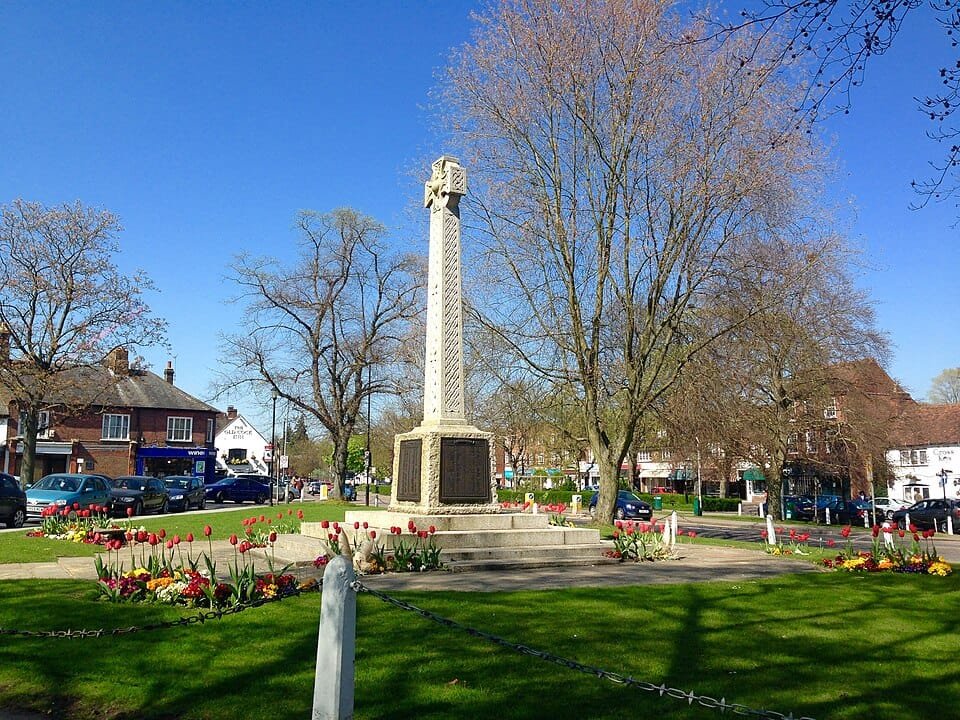
Harpenden’s historical connection to wood and fire is deeply rooted in its landscape, industry, and community life. From medieval commons to industrial practices, timber has shaped the town’s development.
Timber and Firewood in Harpenden Commons
Harpenden Common and surrounding areas like Nomansland and Gustard Wood were once extensive woodlands and grazing grounds. These commons were vital for local subsistence, providing timber for construction, firewood, and materials for industries such as brick-making and pottery. Pollarding, cutting trees at head height to encourage new growth, was a common practice, ensuring a sustainable supply of wood for fuel and other uses. Species like hornbeam, ash, and oak were frequently pollarded, and hornbeam was particularly valued for charcoal production. This method allowed trees to regenerate while providing essential resources for the community.
Industrial Uses of Timber
In the 18th and 19th centuries, Harpenden’s commons were sites for brick-making and pottery production. Clay and chalk were extracted from areas like Nomansland and Harpenden Commons, fueling local industries. These activities not only utilised the land’s natural resources but also contributed to the town’s economic development.
Timber in Architecture
Timber has been a fundamental material in Harpenden’s architecture. The town boasts several timber-framed buildings dating back to the late 15th century, reflecting traditional construction methods. These structures, often with thatched roofs and wooden beams, are a testament to the historical use of wood in building practices.
Modern Timber Use and Firewood Supply
Today, timber continues to play a role in Harpenden’s daily life, particularly through the use of firewood. Local businesses like Phil Holt & Son and Berkhamsted Logs supply seasoned hardwood logs for residents, maintaining the town’s long-standing relationship with wood for heating and ambiance.
Harpenden’s historical connection to wood and fire reflects a community deeply intertwined with its natural resources. From the management of commons for timber and fuel to the use of wood in industry and architecture, timber has been central to the town’s development and daily life.
Fires in Harpenden’s History
The presence of timber in Harpenden’s built environment has also led to notable fire incidents. For instance, in 1896, a fire destroyed a house on Carlton Road, attributed to a fault in a private generator. The local fire brigade’s efforts were documented, highlighting the challenges of fire safety in timber-framed buildings.