Milton Keynes Firewood
Milton Keynes Firewood
Free delivery to Milton Keynes
and surrounding areas.
- Kiln-dried logs
- Free delivery
- Free stacking service
- Local team delivering to Milton Keynes


Milton Keynes Firewood
Free delivery to Milton Keynes and surrounding areas.
- Kiln-dried logs
- Free delivery
- Free stacking service
- Local team delivering to Milton Keynes
At Nene Valley Firewood, we supply top-quality kiln-dried logs with free delivery and stacking across Milton Keynes and surrounding villages. Whether you’re in town or tucked away in the Buckinghamshire countryside, our local team delivers straight to your door. Fast, friendly, and five-star rated. Keep your home warm with sustainably sourced wood, dried and ready to burn.
Best Selling Logs And Firewood In Milton Keynes

Kiln Dried Hardwood Logs – Bulk Bag
£145 Incl. VAT
Top-quality firewood logs with a long burn and great heat efficiency.

Kiln Dried Hardwood Logs 1, 2 or 3 loose m³
£210/M3 Incl. VAT (WITH FREE STACKING)
Buy Kiln-dried hardwood logs by the cubic metre for economy and value. Logs will be stacked for free in an outside location.
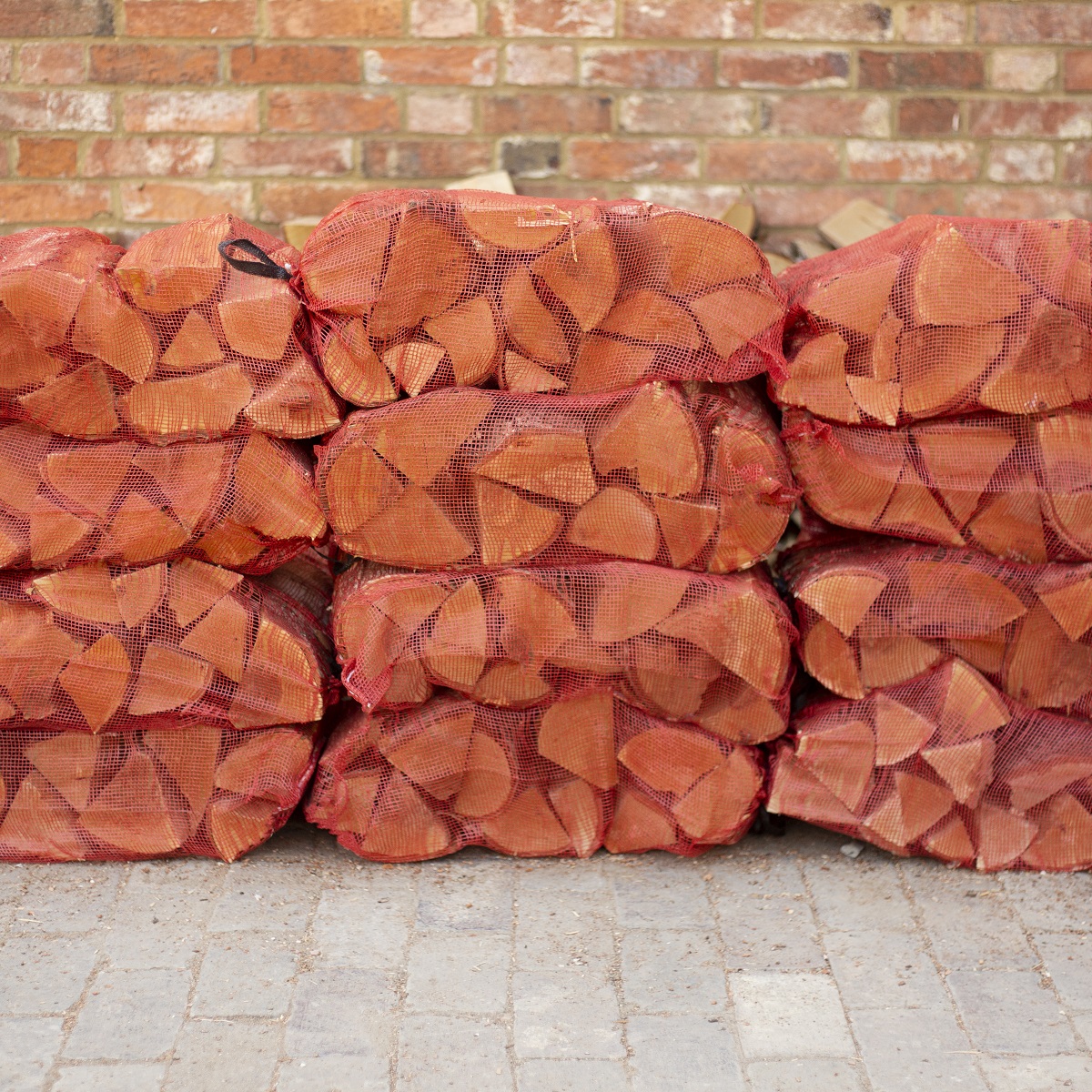
Kiln Dried Hardwood Logs 12, 30 or 60 nets
£110 – £450 Incl. VAT
Choose from 12, 30 or 60 nets for economy firewood. Always below 18% moisture content.




Free Firewood Delivery Beyond Milton Keynes
We also offer free delivery to all of the local areas around Leicester including Oadby, Wigston, Evington, Braunstone Town, Thurmaston and Birstall. Whether you live near Leicester Cathedral, along the Watermead Country Park, or in a countryside village, we’ll bring your logs right to your door.
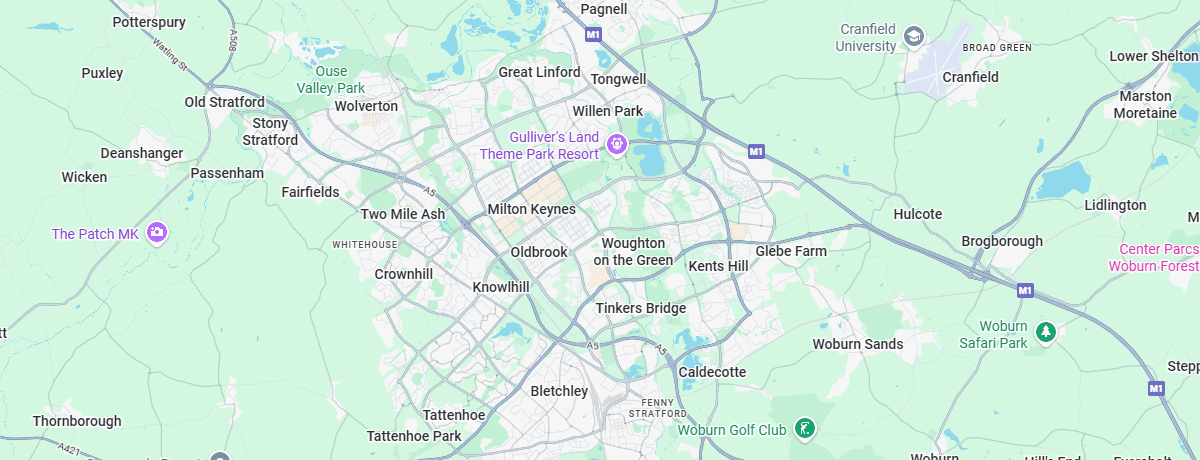
Why choose us for your logs in Milton Keynes?

You might’ve seen our delivery vans near Gulliver’s Land Theme Park, Stadium MK, or on the A5. Whether you’re in a Victorian terrace near the town centre or a rural farmhouse on the outskirts, we’re here to keep your firewood topped up all year round.
Send us a picture of one of our vans in Milton Keynes and we’ll add some free firelighters to your next order!
Fun Facts…. Milton Keynes Historic Connection to Wood and Fire

Milton Keynes, a city renowned for its modernist architecture and planned urban design, has a different history compared to older English towns like Southam. However, there are still fascinating historical connections to wood and fire, though they are not as immediately obvious.
Here’s an exploration of the historic ties:
1. Early Settlement and Timber Buildings
Milton Keynes, in its early history, was a small village. The ancient parish of Milton dates back to the Anglo-Saxon period, and like many early settlements, buildings were typically constructed from timber, thatch, and other flammable materials. This would have made them vulnerable to fire, much like other rural settlements in England. However, specific fires from the early centuries aren’t as well documented in the region as they are in towns with older structures.
Medieval and Post-Medieval Timber Framing
Milton Keynes, as a small rural village, would have had timber-framed buildings common in the medieval and early modern periods. Timber framing, with wattle-and-daub infill, was the most common building style for houses in the area. While records of specific fires from this period are sparse, this construction style did create risks of fire spreading quickly through the village.
2. The Great Fire of 1860
One of the more significant fire events in Milton Keynes’ history happened in the 19th century. The Great Fire of 1860 in the village of Wavendon, which was then part of the Milton Keynes district.
Fire and the Development of Firefighting
While Milton Keynes wasn’t the epicentre of a large-scale fire, this event had an impact on the surrounding communities, highlighting the dangers of timber and thatched buildings in rural areas. The fire led to a greater emphasis on firefighting in the area and was a significant catalyst in forming more organized fire response efforts, especially when industrialization began to take hold.
3. Woodlands and Timber Industry (Pre-Modern Era)
Before the extensive urban development in the mid-20th century, the Milton Keynes area was heavily wooded, with large sections of forest and woodland. Timber from these woodlands was used for various purposes: building materials, fuel, and even export. The Forest of Woughton (part of the larger Milton Keynes area) was historically known for its woodlands, which could have been a source of timber for building and firewood. As wood was a primary fuel for heating and cooking, the demand for it increased, influencing the local economy. There is also evidence that charcoal burning occurred in the area, where wood was turned into charcoal, a key resource for various industries, especially blacksmithing and metalworking.
4. Modern Milton Keynes and Fire Safety
When Milton Keynes became a new city in the 1960s, its planners were keenly aware of fire safety concerns. The post-World War II housing boom had made fire a significant urban issue, and as Milton Keynes was developed as a modern, planned city, it incorporated fire-resistant materials into its construction. The focus was on using concrete, steel, and brick, rather than timber, in most of its buildings. The extensive use of open spaces and careful urban planning also made the city less susceptible to the spread of fire.