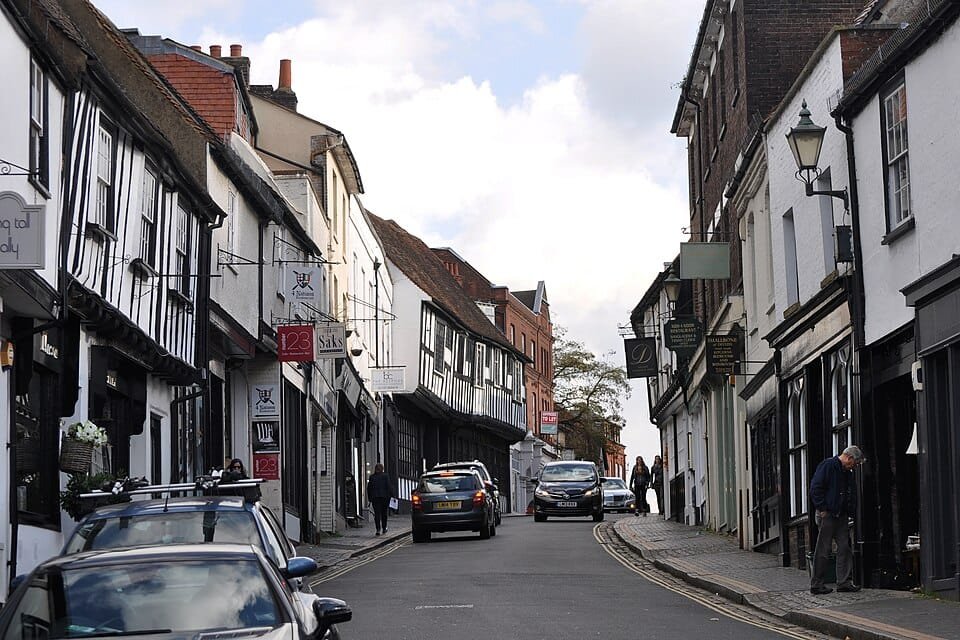
Logs & Firewood St Albans
Firewood St Albans
Free delivery to St Albans
and surrounding areas.
- Kiln-dried logs
- Free delivery
- Free stacking service
- Local team delivering to St Albans


Firewood St Albans
Free delivery to St Albans and surrounding areas.
- Kiln-dried logs
- Free delivery
- Free stacking service
- Local team delivering to St Albans
At Nene Valley Firewood, we supply top-quality kiln-dried logs with free delivery and stacking across St Albans and surrounding villages. Whether you’re in town or tucked away in the Hertfordshire countryside, our local team delivers straight to your door. Fast, friendly, and five-star rated. Keep your home warm with sustainably sourced wood, dried and ready to burn.
Best Selling Logs And Firewood In St Albans

Kiln Dried Hardwood Logs – Bulk Bag
£145 Incl. VAT
Top-quality firewood logs with a long burn and great heat efficiency.

Kiln Dried Hardwood Logs 1, 2 or 3 loose m³
£210/M3 Incl. VAT (WITH FREE STACKING)
Buy Kiln-dried hardwood logs by the cubic metre for economy and value. Logs will be stacked for free in an outside location.
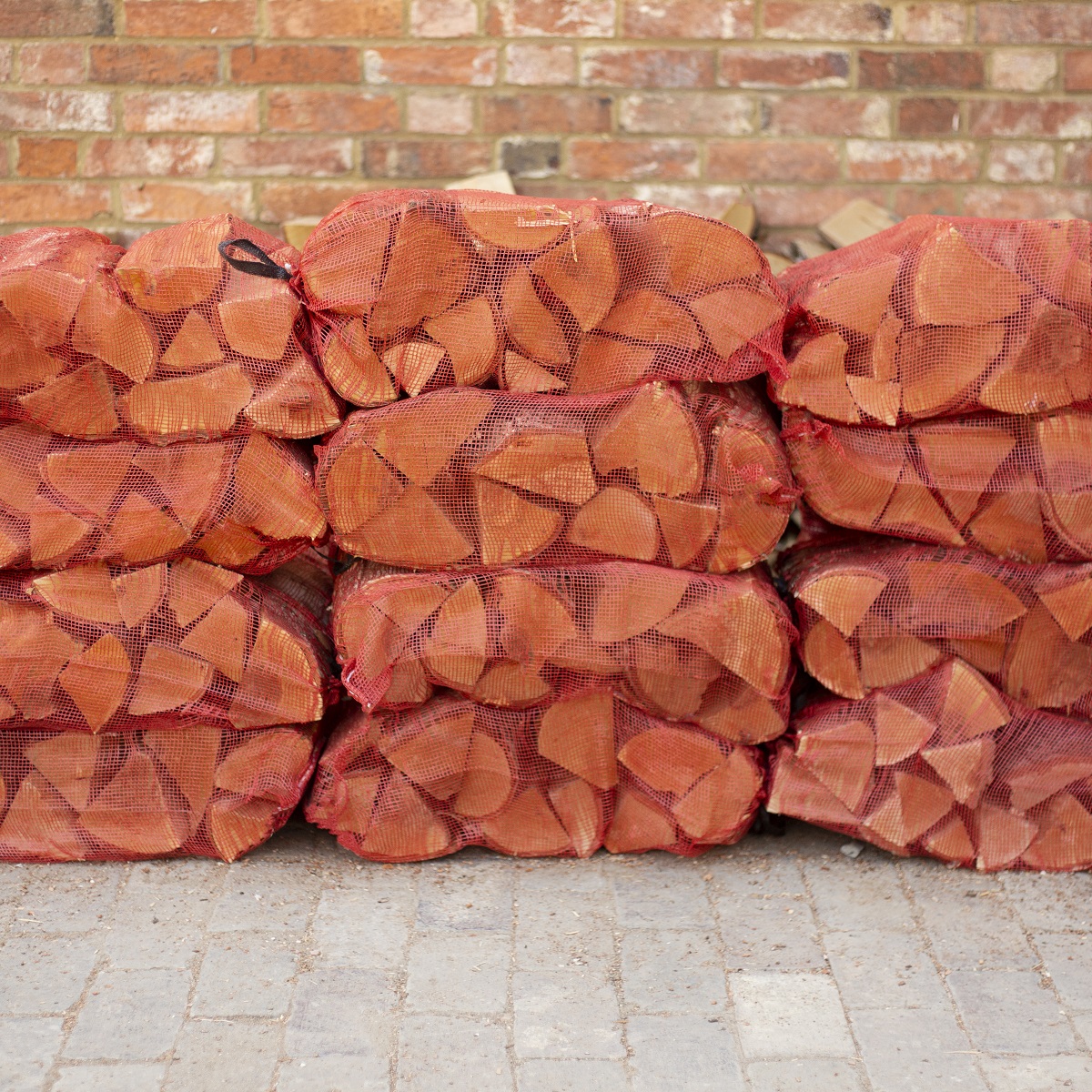
Kiln Dried Hardwood Logs 12, 30 or 60 nets
£110 – £450 Incl. VAT
Choose from 12, 30 or 60 nets for economy firewood. Always below 18% moisture content.
Free Firewood Delivery Beyond St Albans
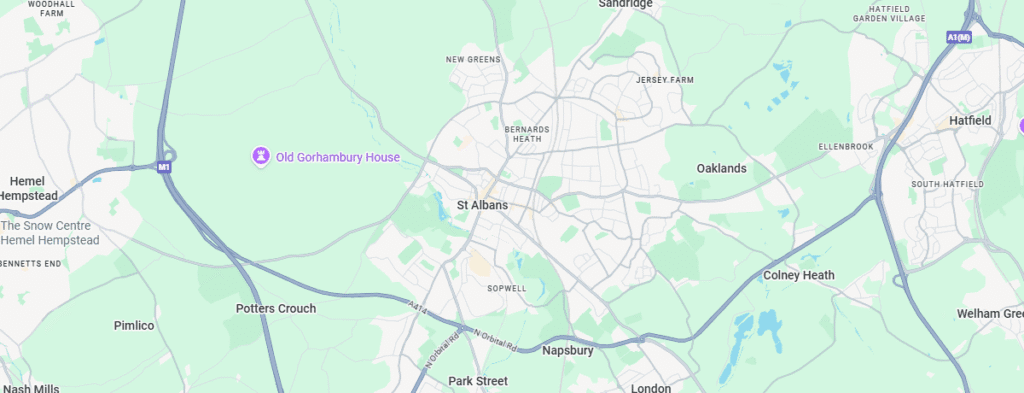
We also offer free delivery to all of the local areas around St Albans including Harpenden, Hemel Hempstead, Childwickbury, Potters Crouch and London Colney. Whether you live near St Albans Cathedral and Abbey Church, close to Sopwell Nursery Ruins, or near Verulamium Park, we’ll bring your logs right to your door.
Why choose us for your logs in St Albans?

You might’ve seen our delivery vans near The Clock Tower, St Michael’s Church, or on the A5183. Whether you’re in a Victorian terrace near the town centre or a countryside home on the outskirts, we’re here to keep your firewood topped up all year round.
Send us a picture of one of our vans in St Albans and we’ll add some free firelighters to your next order!
Fun Facts…. St Alban’s Historic Connection to Wood and Fire
St Albans’ heritage is deeply entwined with wood and fire—from medieval timber architecture and barn construction to industry, ecclesiastical roofing, mill power, and even industrial-scale use of fire and heat. Here’s a summary of its historical connections:
Timber & Fire in Medieval and Post-Medieval St Albans
• Kingsbury Manor Barn (dendro-dated to around 1373–74) is one of several monastic great barns built by St Albans Abbey using timber frames, these massive structures stored grain and straw, and fire posed a serious risk to their contents.
• Medieval barns and granaries, such as those described around St Stephens Parish, often required insurance due to the danger of spontaneous combustion in overheated or damp crops like hay and corn, especially during poor harvest weather.
Timber Craftsmanship in Architecture
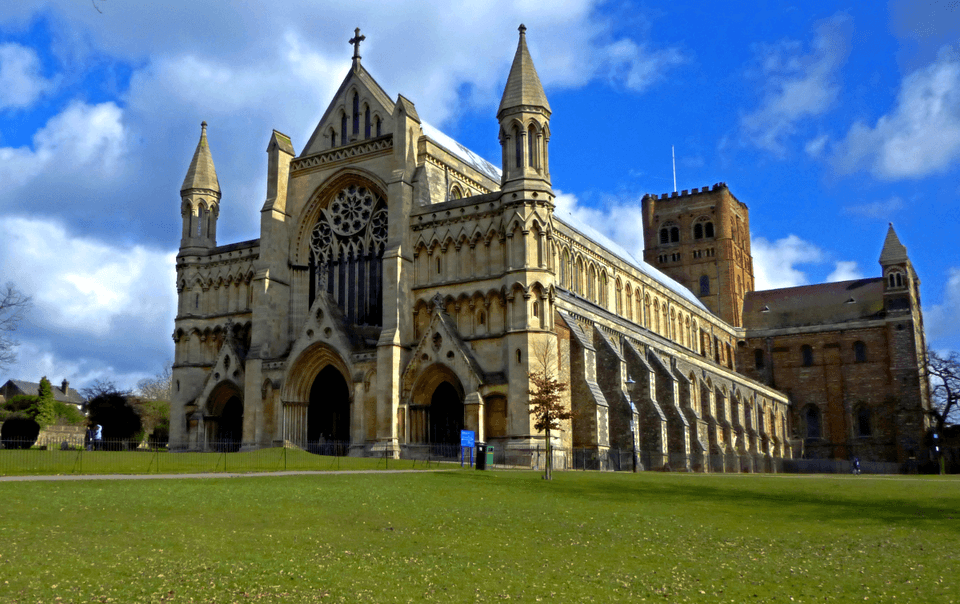
• In the Presbytery roof of St Albans Cathedral (formerly the Abbey Church), tree-ring analysis reveals timbers dating from AD 1060–1263, some imported from northern Europe, others English. These show both local and continental use of wood in ecclesiastical designs.
• Many buildings in the city centre retain 17th-century timber-framed façades, including overhanging jettied stories, carved cornices, and decorative chimneypieces—reflecting the prominence of wood in both function and ornamentation. Examples include the Moot Hall and Market Place houses.
• Kingsbury Watermill (built c. 1570) and associated barns combined timber structural elements and fire-powered milling by water, all part of the Abbey estate’s economic base. Grain processing here depended on controlled heat and mechanical action.
Ecclesiastical Wood Use & Fire Dynamics
• St Michael’s Church, one of the town’s oldest, houses a 15th-century wooden rood-screen and tympanum (latter removed later) highlighting wood’s ceremonial use within churches. Roman salvaged brick and timber feature prominently in its architecture.
• Many Hertfordshire churches, including the central tower of the Cathedral, had wooden spires or “Hertfordshire spikes” dating to the 13th century. These wooden elements, while structurally iconic, were highly vulnerable to fire.
Industrial Fire Events & Fire Safety Evolution
• In more recent times, a major fire in July 2022 destroyed several small industrial units on London Road, including former Vickers workshop buildings used historically for naval ship-model testing. The fire burned for over 13 hours and drew 130 firefighters, underscoring ongoing fire risks in repurposed urban structures with industrial pasts.
Wood shaped the city’s architectural identity, from grand barns to religious timbered structures. Fire was both a tool (in milling and agriculture) and a threat (crop spoilage, structural hazards). That tension between wood and fire echoes through St Albans’ past and into its historic fabric today.