


Stamford Logs
Stamford Logs
Free delivery to Stamford
and surrounding areas.
- Kiln-dried logs
- Free delivery
- Free stacking service
- Local team delivering to Stamford


Stamford Logs
Free delivery to Stamford and surrounding areas.
- Kiln-dried logs
- Free delivery
- Free stacking service
- Local team delivering to Stamford
At Nene Valley Firewood, we supply top-quality kiln-dried logs with free delivery and stacking across Stamford and surrounding villages. Whether you’re in town or tucked away in the Lincolnshire countryside, our local team delivers straight to your door. Fast, friendly, and five-star rated. Keep your home warm with sustainably sourced wood, dried and ready to burn.
Best Selling Logs And Firewood In Stamford

Kiln Dried Hardwood Logs – Bulk Bag
£145 Incl. VAT
Top-quality firewood logs with a long burn and great heat efficiency.

Kiln Dried Hardwood Logs 1, 2 or 3 loose m³
£210/M3 Incl. VAT (WITH FREE STACKING)
Buy Kiln-dried hardwood logs by the cubic metre for economy and value. Logs will be stacked for free in an outside location.
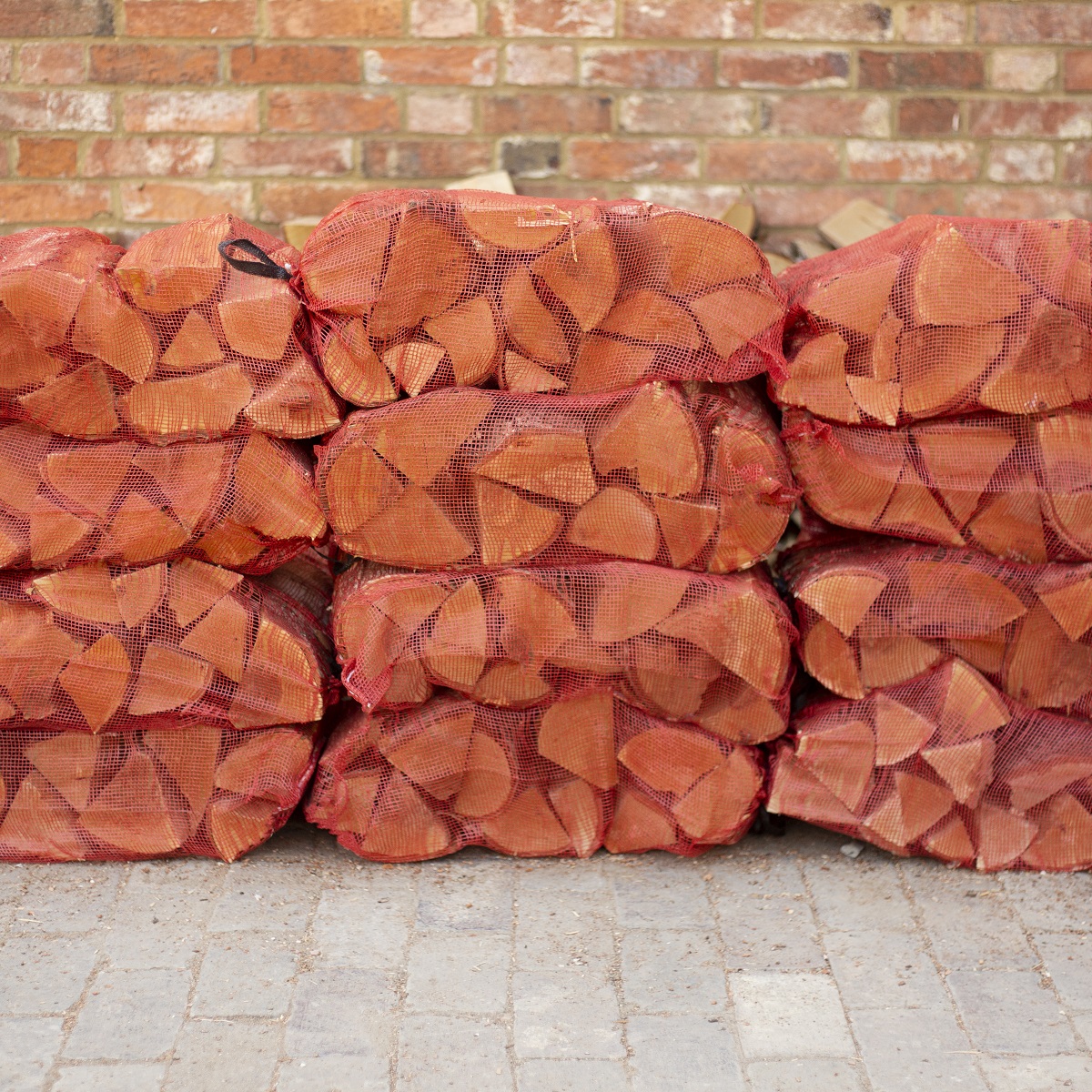
Kiln Dried Hardwood Logs 12, 30 or 60 nets
£110 – £450 Incl. VAT
Choose from 12, 30 or 60 nets for economy firewood. Always below 18% moisture content.
Free Firewood Delivery Beyond Stamford
We also offer free delivery to all of the local areas around Stamford including Uffington, Northfields, Tinwell, Pilsgate, Tickencote and Ketton. Whether you live near Stamford Baron, close to Burghley Park Cricket Club, or near Stamford Skatepark, we’ll bring your logs right to your door.

Why choose us for your logs in Stamford?

You might’ve seen our delivery vans near Stamford Playing Fields, Stamford Association Football Club, or on the A606. Whether you’re in a Victorian terrace near the town centre or a countryside home on the outskirts, we’re here to keep your firewood topped up all year round.
Send us a picture of one of our vans in Stamford and we’ll add some free firelighters to your next order!
Fun Facts…. Stamford’s Historic Connection to Wood and Fire

Wood-Fired Stoves: Stamford Foundry Company’s Contribution
• Foundry beginnings: Founded around 1830 by George E. Waring, the Stamford Foundry Company manufactured cast iron stoves, including wood-burning heating and cooking ranges widely used in homes, churches, factories, hotels, and even ships.
• Evolution of products: Over time, the foundry expanded to produce stoves fuelled by coal oil, gas, and electricity, but its early legacy remains deeply tied to wood as a primary fuel.
Wood Fuel and the Broader Industry in Medieval Stamford, England
• Timber as essential fuel: In medieval Stamford, access to natural resources like wood and coal was vital for industrial processes such as pottery kilns.
• Textile and dye industries: Stamford became a renowned centre of cloth-making. Wool from the Lincolnshire Wolds was processed by local fullers, weavers, and dyers, and cloth known as “Stamfords” was exported across Europe in the 12th and 13th centuries.
Dyes Extracted from Exotic Woods: The Stamford Manufacturing Company (Cove Mills)
• Rise of a global industry: Established in 1844 at what is now Cove Park, this operation evolved from two grist mills to what was reputedly the world’s largest dyewood extraction plant. It processed exotic tropical woods to produce textile dyes, tanning extracts, licorice paste, and medicinal bark compounds.
• Wood as both resource and hazard: The plant’s heating relied on steam powered by coal and waste wood, highlighting wood’s dual role in energy and manufacturing.
• Catastrophic fire in 1919: On the evening of February 19, 1919, a small fire in the acid storage room detonated into Stamford’s most destructive industrial blaze. Fuelled by a strong wind, it tore through roughly 25 “fireproof” buildings. Spectators watched boilers explode and walls crumble in a dramatic spectacle, though nearby homes were largely spared.
• Aftermath: The fire effectively ended operations at the mill, marking the decline of this once-dominant wood-based enterprise.
