Logs & Firewood Tamworth
Firewood Tamworth
Free delivery to Tamworth
and surrounding areas.
- Kiln-dried logs
- Free delivery
- Free stacking service
- Local team delivering to Tamworth


Firewood Tamworth
Free delivery to Tamworth and surrounding areas.
- Kiln-dried logs
- Free delivery
- Free stacking service
- Local team delivering to Tamworth
At Nene Valley Firewood, we supply top-quality kiln-dried logs with free delivery and stacking across Tamworth and surrounding villages. Whether you’re in town or tucked away in the Staffordshire countryside, our local team delivers straight to your door. Fast, friendly, and five-star rated. Keep your home warm with sustainably sourced wood, dried and ready to burn.
Best Selling Logs And Firewood In Tamworth

Kiln Dried Hardwood Logs – Bulk Bag
£145 Incl. VAT
Top-quality firewood logs with a long burn and great heat efficiency.

Kiln Dried Hardwood Logs 1, 2 or 3 loose m³
£210/M3 Incl. VAT (WITH FREE STACKING)
Buy Kiln-dried hardwood logs by the cubic metre for economy and value. Logs will be stacked for free in an outside location.
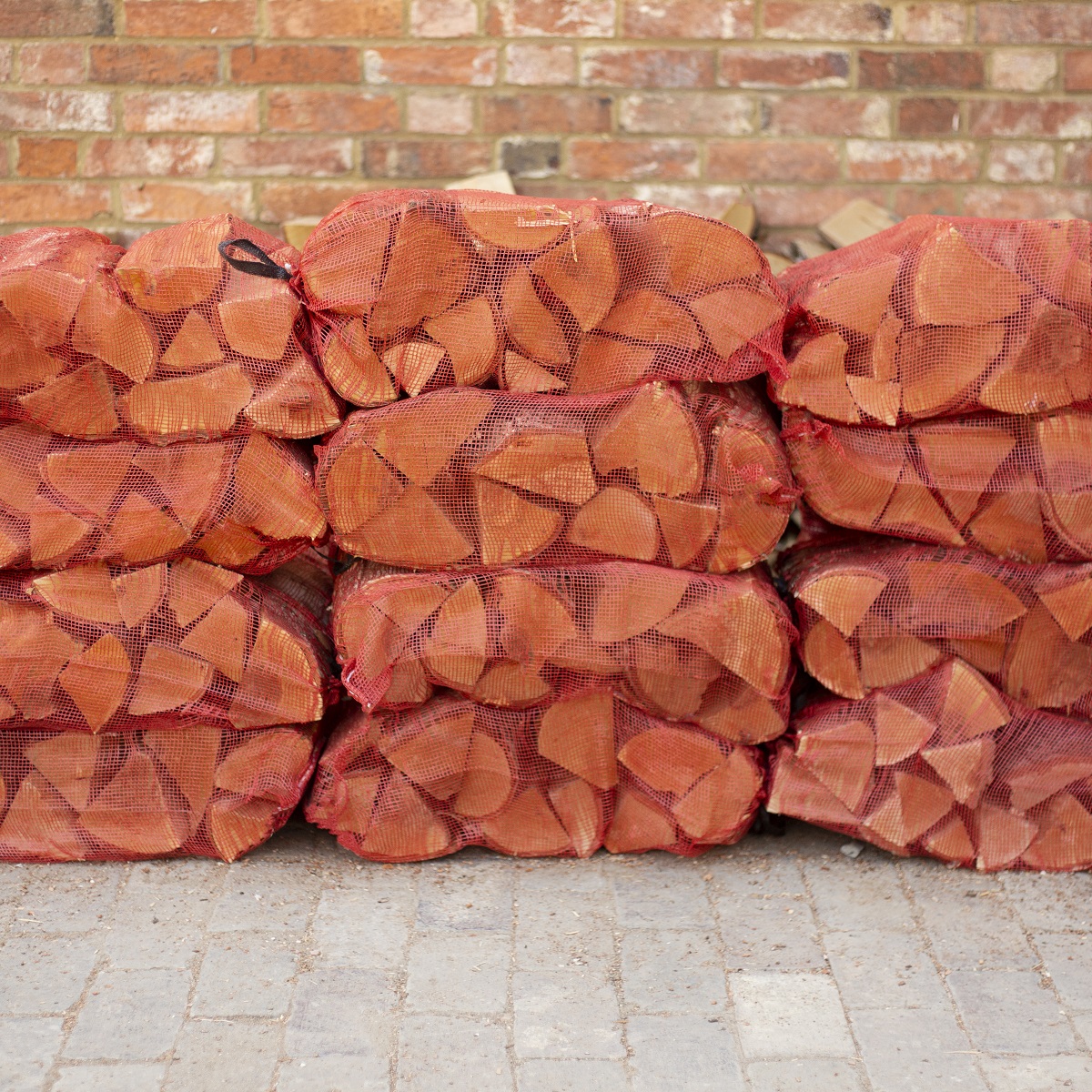
Kiln Dried Hardwood Logs 12, 30 or 60 nets
£110 – £450 Incl. VAT
Choose from 12, 30 or 60 nets for economy firewood. Always below 18% moisture content.
Free Firewood Delivery Beyond Tamworth
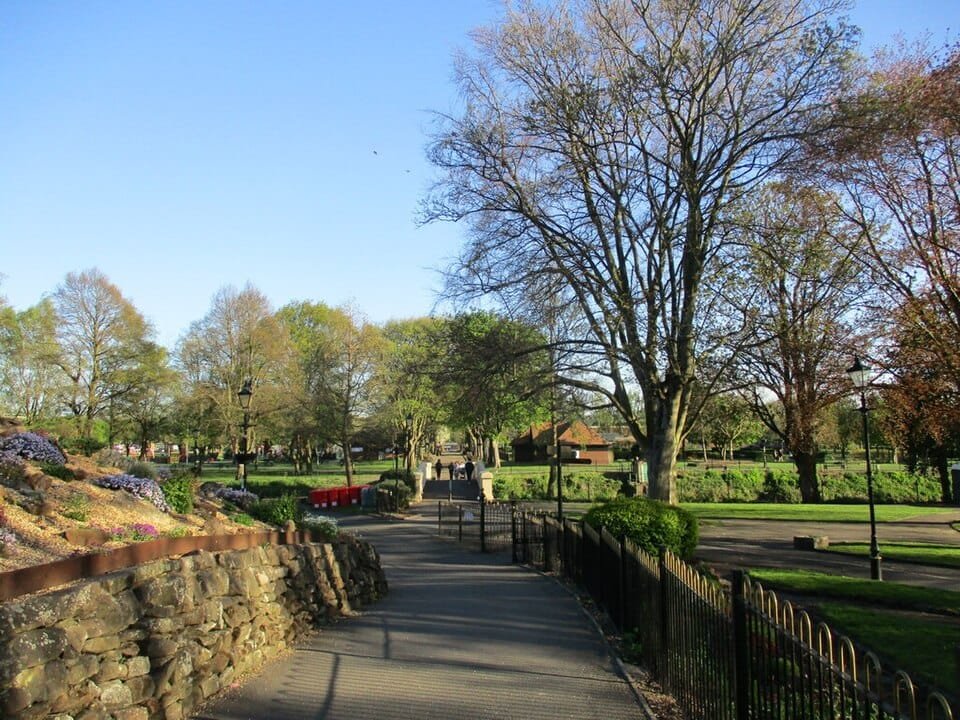
We also offer free delivery to all of the local areas around Tamworth including Comberford, Hopwas, Elford, Harlaston, Edingale, Clifton Campville, Thorpe Constantine and Newton Regis. Whether you live near Wigginton Park, close to Tamworth Castle, or near to the river Tame, we’ll bring your logs right to your door.

Why choose us for your logs in Tamworth?

You might’ve seen our delivery vans near Drayton Manor Resort, the Snowdome, or on the A513. Whether you’re in a Victorian terrace near the town centre or a countryside home on the outskirts, we’re here to keep your firewood topped up all year round.
Send us a picture of one of our vans in Tamworth and we’ll add some free firelighters to your next order!
Fun Facts…. Tamworth’s Historic Connection to Wood and Fire
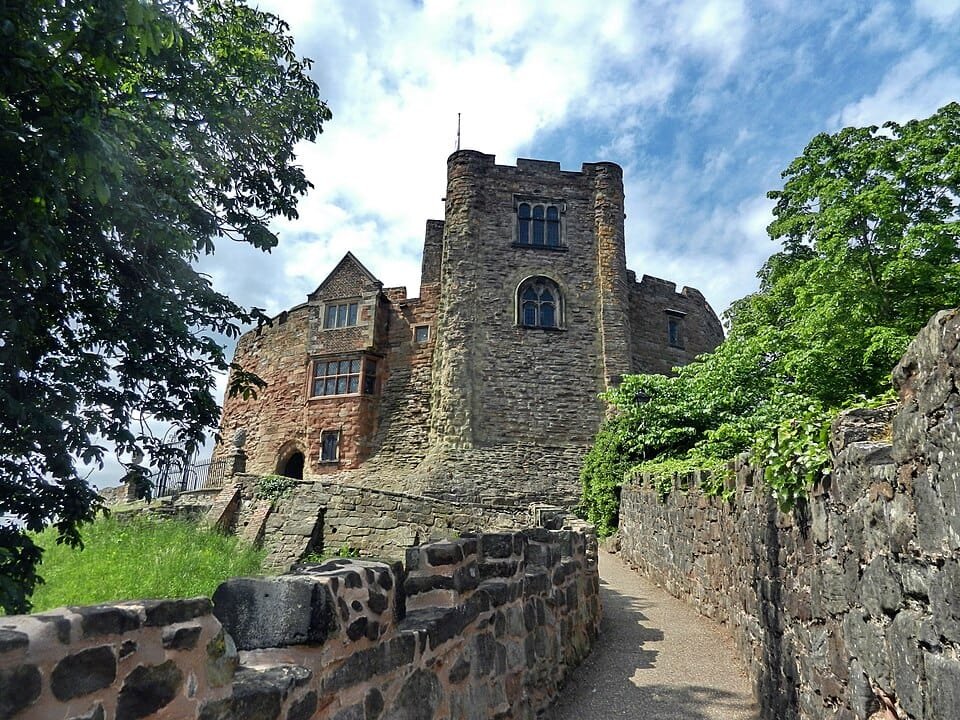
Tamworth’s history weaves together timber, clay, and heat, elements that played pivotal roles in its industrial and domestic development.
Industrial Foundations: Clay, Coal, and Firebricks
• During the 19th century, Tamworth grew substantially thanks to its coal industry, canal infrastructure, and diverse manufacturing sectors including brickworks, ceramics, paper, and textiles
• One notable local firm, Gibbs and Canning Ltd, established in 1847, produced architectural terracotta, bricks, chimney pots, and other fired clay items—products inherently reliant on wood-fired or coal-fired kilns for their creation
Foundries and Fire in Metalwork
• The Thompson & Southwick general engineering and iron foundry supported Tamworth’s mining and industrial machinery sectors, including creation of pulley systems, coal bunkers, and pit gearments. These industrial processes used furnaces that depended on fire fuelled by coal or wood.
• Similarly, George Skey & Co. started with a coal mine and moved into clay-based production, creating items like gas stoves and bottles. The stove production in particular underscores a direct relationship between wood (as fuel) and the fire required for metal casting and manufacturing.
Domestic Fireplaces and Urban Life
• Although not unique to Tamworth, the presence of grand fireplaces and stoves in civic spaces is notable. For example, Tamworth Town Hall installed a horse-drawn fire engine in 1880, reflecting how fire played a crucial role in both warmth and public safety in the town’s daily life.
• Local craftsmanship across Staffordshire, including interior fittings like fireplaces, tiles, and stone mantels, was influenced by craftsmen who drew on traditional wood and fire techniques, like Leonard Shuffrey, linked to regional design trends.
Medieval and Early Timber Structures
• Tamworth Castle itself speaks to early architecture with timber-based structures in the Anglo-Saxon period. A wooden palace once stood there, and later Norman wooden motte-and-bailey fortifications reinforced the castle’s importance. Though not explicitly about fire usage, these exemplify how wood was central to construction and defence in Tamworth’s medieval era.
• Economic growth: Tamworth’s prosperity was built on industries, brickworks, ceramics, foundries, that all required mastering the relationship between wood (or coal) and fire.
• Everyday life: From cooking in wood or coal stoves to warming homes and safeguarding the community (fire engine), fire shaped the rhythms of Tamworth life.
• Historical continuity: Even the very stone and timber of its medieval castle origins hints at the consistent importance of wood, whether for building or as a symbol of power and resilience.