Logs & Firewood Tring
Logs Tring
Free delivery to Tring
and surrounding areas.
- Kiln-dried logs
- Free delivery
- Free stacking service
- Local team delivering to Tring


Logs Tring
Free delivery to Tring and surrounding areas.
- Kiln-dried logs
- Free delivery
- Free stacking service
- Local team delivering to Tring
At Nene Valley Firewood, we supply top-quality kiln-dried logs with free delivery and stacking across Tring and surrounding villages. Whether you’re in town or tucked away in the Hertfordshire countryside, our local team delivers straight to your door. Fast, friendly, and five-star rated. Keep your home warm with sustainably sourced wood, dried and ready to burn.
Best Selling Logs And Firewood In Tring

Kiln Dried Hardwood Logs – Bulk Bag
£145 Incl. VAT
Top-quality firewood logs with a long burn and great heat efficiency.

Kiln Dried Hardwood Logs 1, 2 or 3 loose m³
£210/M3 Incl. VAT (WITH FREE STACKING)
Buy Kiln-dried hardwood logs by the cubic metre for economy and value. Logs will be stacked for free in an outside location.
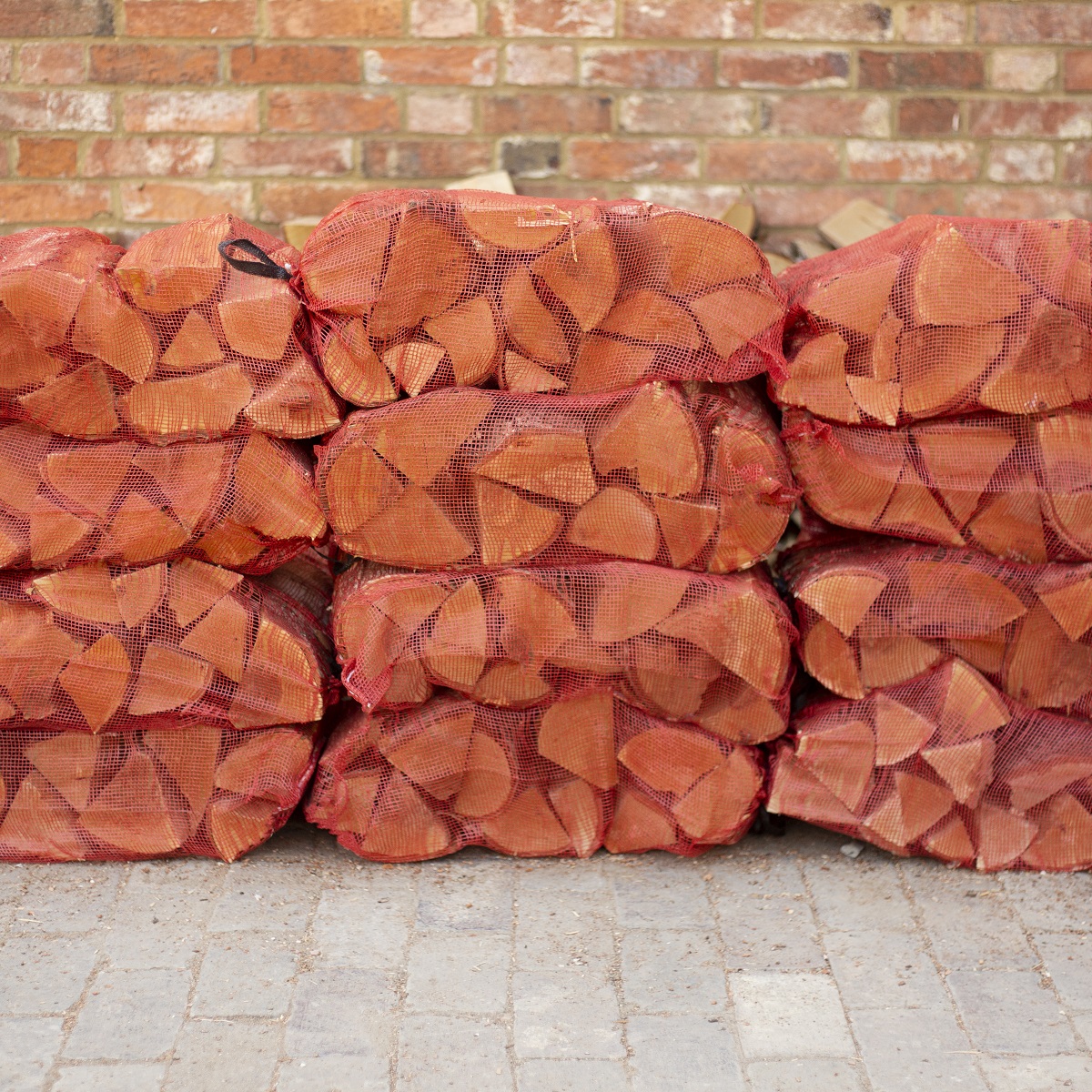
Kiln Dried Hardwood Logs 12, 30 or 60 nets
£110 – £450 Incl. VAT
Choose from 12, 30 or 60 nets for economy firewood. Always below 18% moisture content.




Free Firewood Delivery Beyond Tring
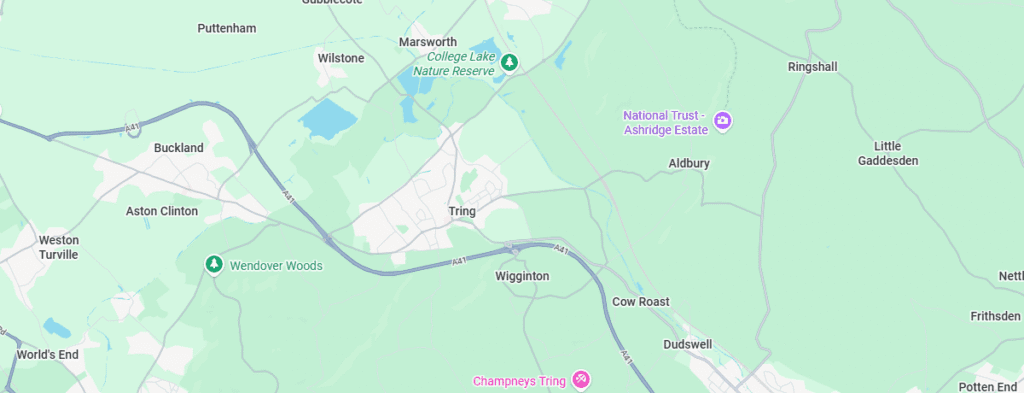
We also offer free delivery to all of the local areas around Tring including Wigginton, Dudswell, Aldbury, Wilstone, Aylesbury and Stoke Manderville. Whether you live near the Natural History Museum, close to Tring Reservoirs, or near the Church of St Peters and St Paul, we’ll bring your logs right to your door.
Why choose us for your logs in Tring?

You might’ve seen our delivery vans near Tring Park, the Embankment, or on the A421. Whether you’re in a Victorian terrace near the town centre or a countryside home on the outskirts, we’re here to keep your firewood topped up all year round.
Send us a picture of one of our vans in Tring and we’ll add some free firelighters to your next order!
Fun Facts…. Tring’s Historic Connection to Wood and Fire

Woodland & Timber Resources
• Early Tring was part of a landscape rich in coppiced wood, used for fuel, agricultural tools, and charcoal. Parish records from the 1700s show carpenters were among the most common trades, indicating widespread woodcraft and construction using timber.
• Tring Woodlands, now a semi-natural beech forest and designated SSSI, reflects centuries of woodland habitat that once provided local timber and firewood.
Timber in Industry & Construction
• Carpentry and timber-framed cottages were prominent into the early 20th century. Low-cost housing for agricultural workers often relied on wood frames and thatch.
• The Market House built in 1900 was designed in Tudor Revival style using timber frame construction and initially served as Tring’s fire station.
• Goldfield Mill (also known as Tring Windmill), built in 1839–40, featured significant timber internal structure, floors, beams, trusses and later used both wind and steam power to grind corn. Its timber machinery included wooden spur wheels and joints vital to its operation.
Fire & Power
• At the Silk Mill (built 1824, later Rothschild estate mill), steam engines powered by coal generated heat and fire risk. The mill had its own power station supplying heat, electricity, and fire bells, evidence of early fire safety measures tied to industrial use.
• Tring Fire Brigade history reveals response to fires in rural areas. In 1926, a hayrick blaze and earlier bakery fire led the Council to upgrade its equipment, transitioning from horse-drawn hoses to motor pumps and sirens, dramatic evidence of evolving fire safety technology in a timber-reliant setting.
Cultural & Built Heritage
• The church of St Peter & St Paul, built 1360–1470, stood in a community where oak and timber farming were common, highlighting early ecclesiastical timber use alongside stone.
• Local trades such as cabinetmakers, cartwrights, and woodworkers were historically widespread, underlining how wood supported both infrastructure and daily needs.
Tring’s landscape and economy were shaped by its woodlands, which provided fuel and material for construction, crafts, and rural industry. Timber use underpinned the town’s architecture and industry, while fire—both as energy and threat—was central to its industrial and civic development.