


Firewood Wellingborough
Firewood Wellingborough
Free delivery to Wellingborough
and surrounding areas.
- Kiln-dried logs
- Free delivery
- Free stacking service
- Local team delivering to Wellingborough


Firewood Wellingborough
Free delivery to Wellingborough and surrounding areas.
- Kiln-dried logs
- Free delivery
- Free stacking service
- Local team delivering to Wellingborough
At Nene Valley Firewood, we supply top-quality kiln-dried logs with free delivery and stacking across Wellingborough and surrounding villages. Whether you’re in town or tucked away in the Northamptonshire countryside, our local team delivers straight to your door. Fast, friendly, and five-star rated. Keep your home warm with sustainably sourced wood, dried and ready to burn.
Best Selling Logs And Firewood In Wellingborough

Kiln Dried Hardwood Logs – Bulk Bag
£145 Incl. VAT
Top-quality firewood logs with a long burn and great heat efficiency.

Kiln Dried Hardwood Logs 1, 2 or 3 loose m³
£210/M3 Incl. VAT (WITH FREE STACKING)
Buy Kiln-dried hardwood logs by the cubic metre for economy and value. Logs will be stacked for free in an outside location.
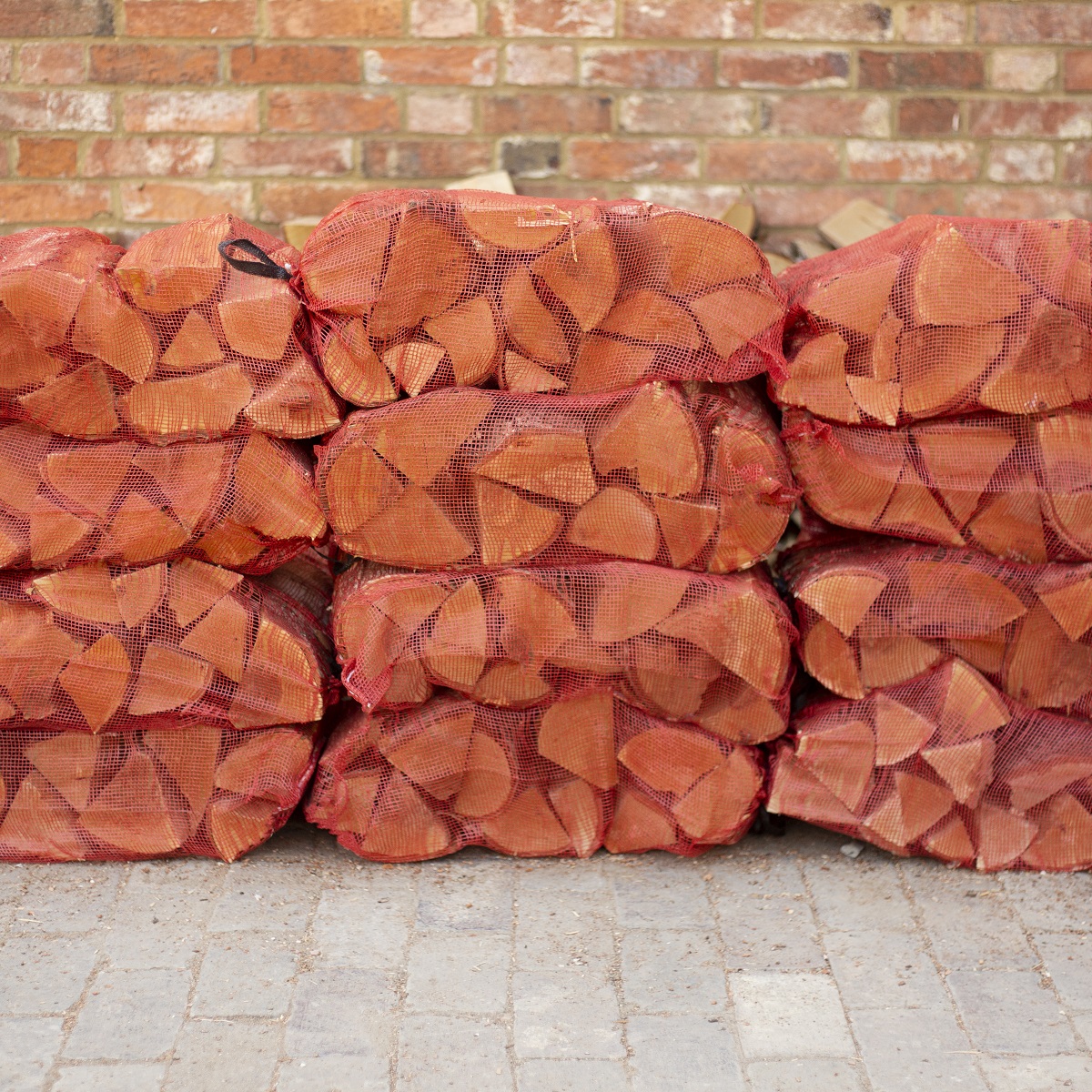
Kiln Dried Hardwood Logs 12, 30 or 60 nets
£110 – £450 Incl. VAT
Choose from 12, 30 or 60 nets for economy firewood. Always below 18% moisture content.
Free Firewood Delivery Beyond Wellingborough
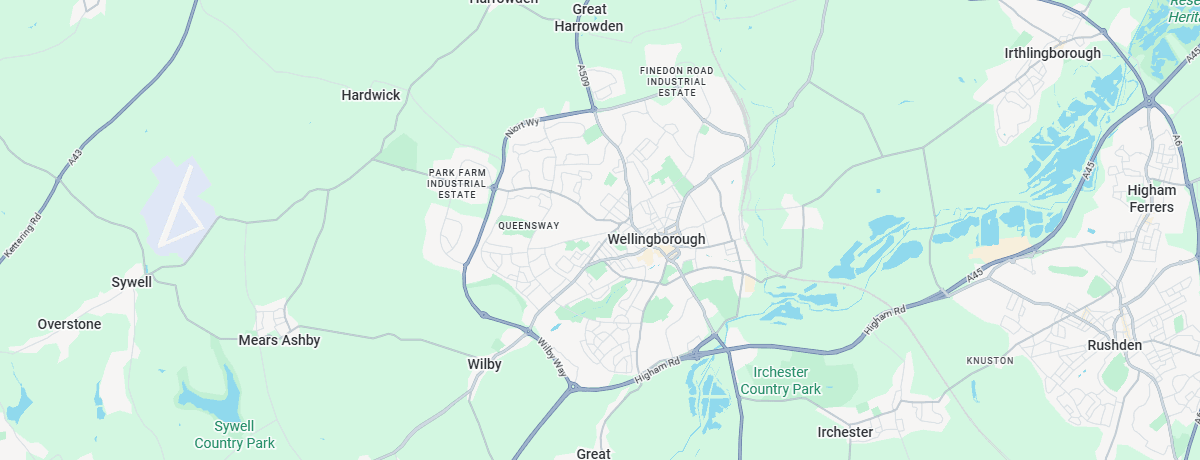
We also offer free delivery to all of the local areas around Wellingborough including Irchester, Wilby, Hardwick, Great Doddington, Rushden and Higham Ferrers. Whether you live near Wellingborough Museum, close to Irchester Country Park, or near Chester House Estate, we’ll bring your logs right to your door.
Why choose us for your logs in Wellingborough?

You might’ve seen our delivery vans near Victoria Park, Leicester Market, or out on the A47. Whether you’re in a Victorian terrace near the town centre or a rural farmhouse on the outskirts, we’re here to keep your firewood topped up all year round.
Send us a picture of one of our vans in Leicester and we’ll add some free firelighters to your next order!
Fun Facts…. Wellingborough’s Historic Connection to Wood and Fire
Wood, Industry, and Ironmaking
Iron and Fire: Foundries & Blast Furnaces
Wellingborough’s industrial growth was closely tied to iron production, an industry that relied heavily on wood and fire. From 1853, local furnaces produced pig iron and later steel, using intense combustion powered by methods developed with the arrival of railways.
Blast furnaces and smelting operations frequently covered parts of town in ash, an enduring sign of the fiery nature of heavy industry.
These local ironworks supplied broader networks, including the Stanton Ironworks and, eventually, British Steel.
Flour Milling: A Balancing Act of Fire Risk
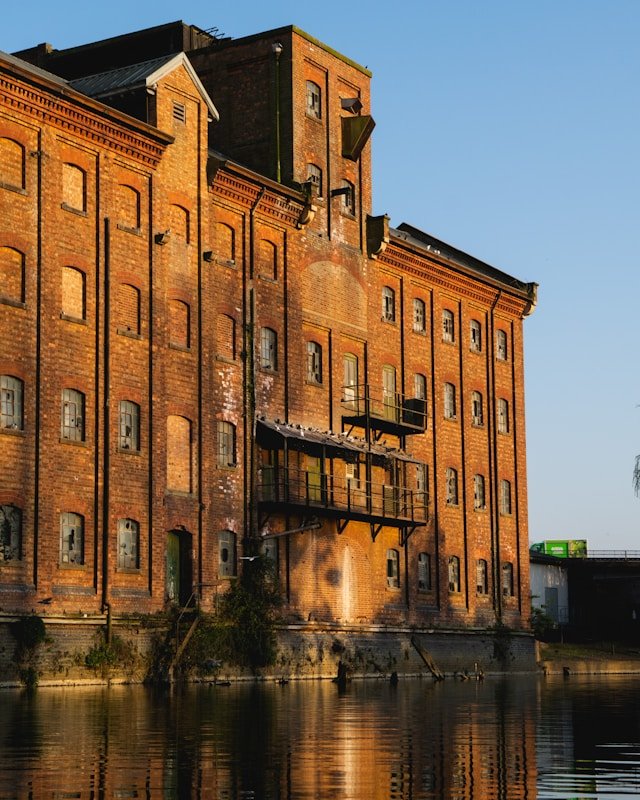
In 1886, flour milling player Whitworth Brothers rebuilt a flour mill, funded by insurance from a previous fire and incorporated modern (for the time) fire safety measures.The use of roller mills and attention to fire protection reflect an awareness of how wood, machinery, and grain dust combined to present considerable fire risks.
The Great Fire of 1738
Wellingborough suffered a devastating conflagration in 1738 that nearly destroyed the town. Most of the buildings were lost, prompting widespread rebuilding efforts. Local historical accounts detail the fast-moving flames: wooden beams were reduced to blackened ruins, while many cottages were burnt to the ground, leaving only chimneys and walls standing.
Firefighting Efforts: Community and Infrastructure
During the 1882 blaze in nearby Higham Ferrers, the Wellingborough Volunteer Fire Brigade was activated. Despite some delays, it was their efforts, along with those from neighbouring brigades, that prevented the fire from spreading further.
Historical notices also recount smaller incidents:
• A haystack owned by Mr. E. Cox caught fire, likely triggered by children playing with matches, though no further damage occurred.
• In another incident, a couch ignited from flying sparks in a thatched home, thankfully extinguished before significant damage occurred.
• In 1889, added wood falling from a hearth ignited the hearth rug and nearby matting, again, promptly contained.
These snapshots highlight how everyday use of wood and open flames in domestic settings often led to perilous situations.