

Logs & Firewood Oakham
Oakham Logs
Free delivery to Leicester
and surrounding areas.
- Kiln-dried logs
- Free delivery
- Free stacking service
- Local team delivering to Leicester


Oakham Logs
Free delivery to Oakham and surrounding areas.
- Kiln-dried logs
- Free delivery
- Free stacking service
- Local team delivering to Oakham
At Nene Valley Firewood, we supply top-quality kiln-dried logs with free delivery and stacking across Oakham and surrounding villages. Whether you’re in town or tucked away in the Rutland countryside, our local team delivers straight to your door. Fast, friendly, and five-star rated. Keep your home warm with sustainably sourced wood, dried and ready to burn.
Best Selling Logs And Firewood In Oakham

Kiln Dried Hardwood Logs – Bulk Bag
£145 Incl. VAT
Top-quality firewood logs with a long burn and great heat efficiency.

Kiln Dried Hardwood Logs 1, 2 or 3 loose m³
£210/M3 Incl. VAT (WITH FREE STACKING)
Buy Kiln-dried hardwood logs by the cubic metre for economy and value. Logs will be stacked for free in an outside location.
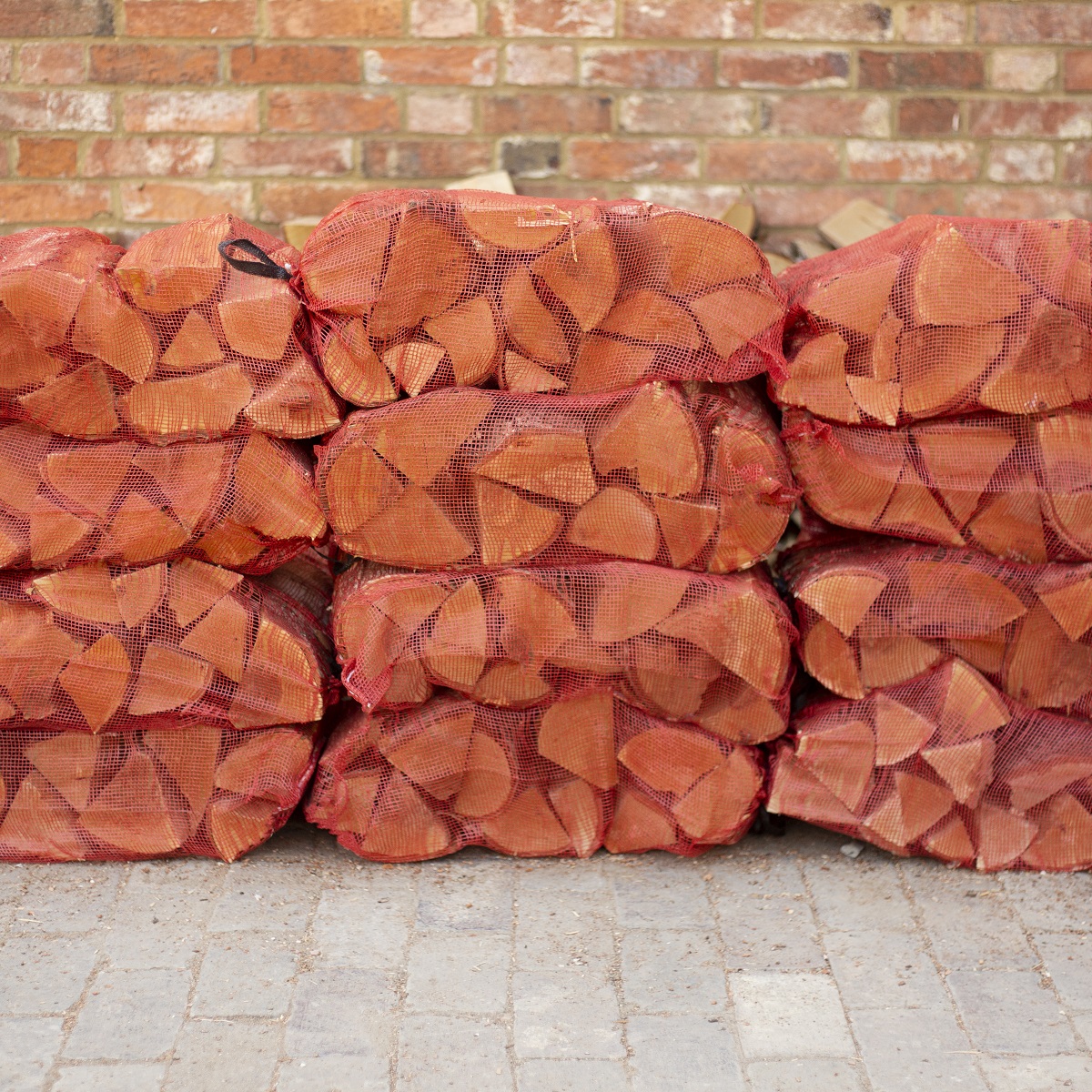
Kiln Dried Hardwood Logs 12, 30 or 60 nets
£110 – £450 Incl. VAT
Choose from 12, 30 or 60 nets for economy firewood. Always below 18% moisture content.




Free Firewood Delivery Beyond Oakham
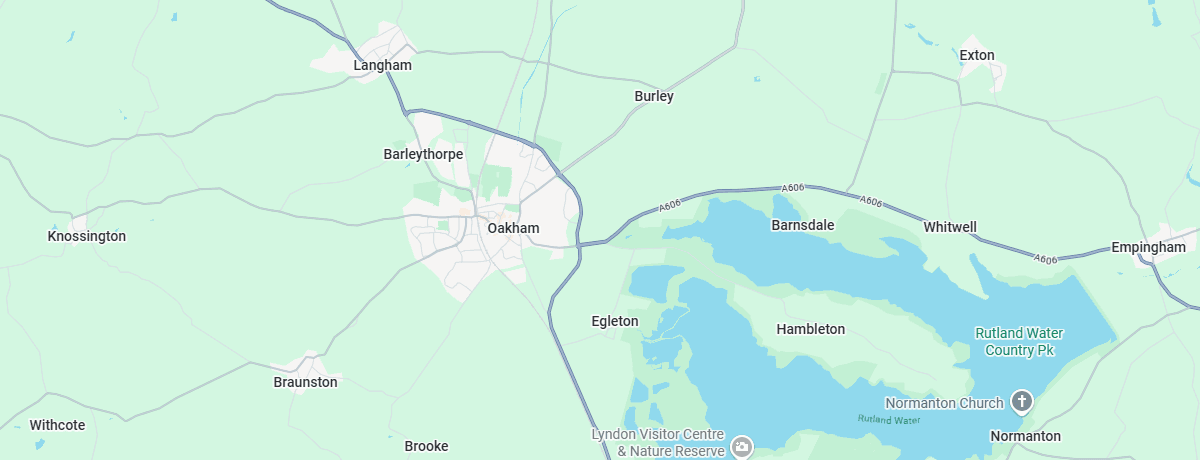
We also offer free delivery to all of the local areas around Oakham including Barleythorpe, Burley, Ashwell, Egleton, Knossington and Langham. Whether you live near Rutland Farm Park, close to Oakham Castle, or near Rutland Showground, we’ll bring your logs right to your door.
Why choose us for your logs in Oakham?

You might’ve seen our delivery vans near Oakham Rugby and Football Club, by Oakham Train Station or on the A606. Whether you’re in a Victorian terrace near the town centre or a countryside home on the outskirts, we’re here to keep your firewood topped up all year round.
Send us a picture of one of our vans in Oakham and we’ll add some free firelighters to your next order!
Fun Facts…. Oakham’s Historic Connection to Wood and Fire
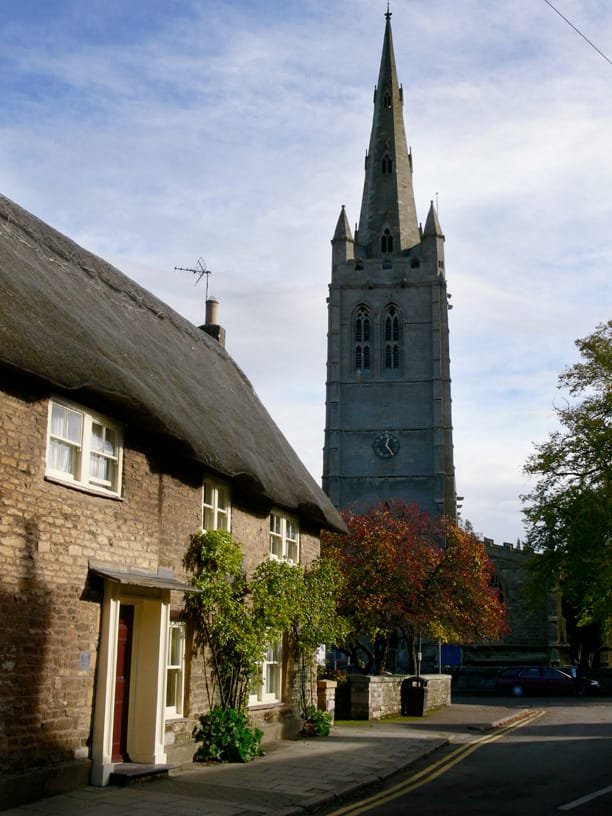
Timber in Oakham’s Architecture
Oakham Castle: Dendrochronology reveals that the original roof timbers of Oakham Castle’s great hall include fragments felled around 1160–1185, marking the structure as one of England’s earliest to preserve its medieval timbers so well. Later renovation phases in the 16th, early 17th century, and around the 1730’s introduced further timber additions.
Flore’s House (High Street): Tree-ring analysis dates the earliest construction phase to timber felled in 1378, with successive additions through 1407–10, 1591, and 1659, indicating sustained use of local timber over nearly three centuries.
These findings highlight how oak and other local woods played a central role in shaping Oakham’s built environment, from medieval halls to civic homes.
Historic Woodlands and Firewood Resources
Medieval Woodlands: Records from Rutland show that medieval woodlands, managed via coppicing, pollarding, and selective felling, were integral to daily life, supplying firewood, construction materials. This was a deeply ingrained part of regional rural economy and survival.
Leighfield Forest: Once a sprawling Royal Forest crossing Rutland and Leicestershire, Leighfield Forest included vast timber resources. In 1269, a royal forester was accused of illegally taking 7,000 oaks and other trees for timber, firewood, and charcoal, demonstrating the high demand for wood-based fuel and materials.
Market Trade and Fire Materials
While direct references to fire-related trades (e.g., charcoal-making or wood-burning) in Oakham’s markets are sparse, the Butter Cross served as a key trading hub in medieval times, likely where necessities such as wood and fuel could be bought or bartered, especially given its prominence in the marketplace.
Furthermore, the Leicester–Melton Navigation canal, extended to Oakham in the late 18th century, facilitated the transport of coal in bulk, a shift that brought about new reliance on this fire material, complementing or even supplanting traditional firewood use.
Conclusion:
Oakham’s history is deeply woven with the threads of wood and fire, from medieval construction using local timbers to firewood supplied by carefully managed woodlands and royal forests. As trade and industrial transport evolved, coal gradually entered the local energy mix, marking a shift in how heat and fuel powered everyday life.