

Yaxley Logs
Yaxley Logs
Free delivery to Yaxley
and surrounding areas.
- Kiln-dried logs
- Free delivery
- Free stacking service
- Local team delivering to Yaxley


Yaxley Logs
Free delivery to Yaxley and surrounding areas.
- Kiln-dried logs
- Free delivery
- Free stacking service
- Local team delivering to Yaxley
At Nene Valley Firewood, we supply top-quality kiln-dried logs with free delivery and stacking across Yaxley and surrounding villages. Whether you’re in town or tucked away in the Cambridgeshire countryside, our local team delivers straight to your door. Fast, friendly, and five-star rated. Keep your home warm with sustainably sourced wood, dried and ready to burn.
Best Selling Logs And Firewood In Yaxley

Kiln Dried Hardwood Logs – Bulk Bag
£145 Incl. VAT
Top-quality firewood logs with a long burn and great heat efficiency.

Kiln Dried Hardwood Logs 1, 2 or 3 loose m³
£210/M3 Incl. VAT (WITH FREE STACKING)
Buy Kiln-dried hardwood logs by the cubic metre for economy and value. Logs will be stacked for free in an outside location.
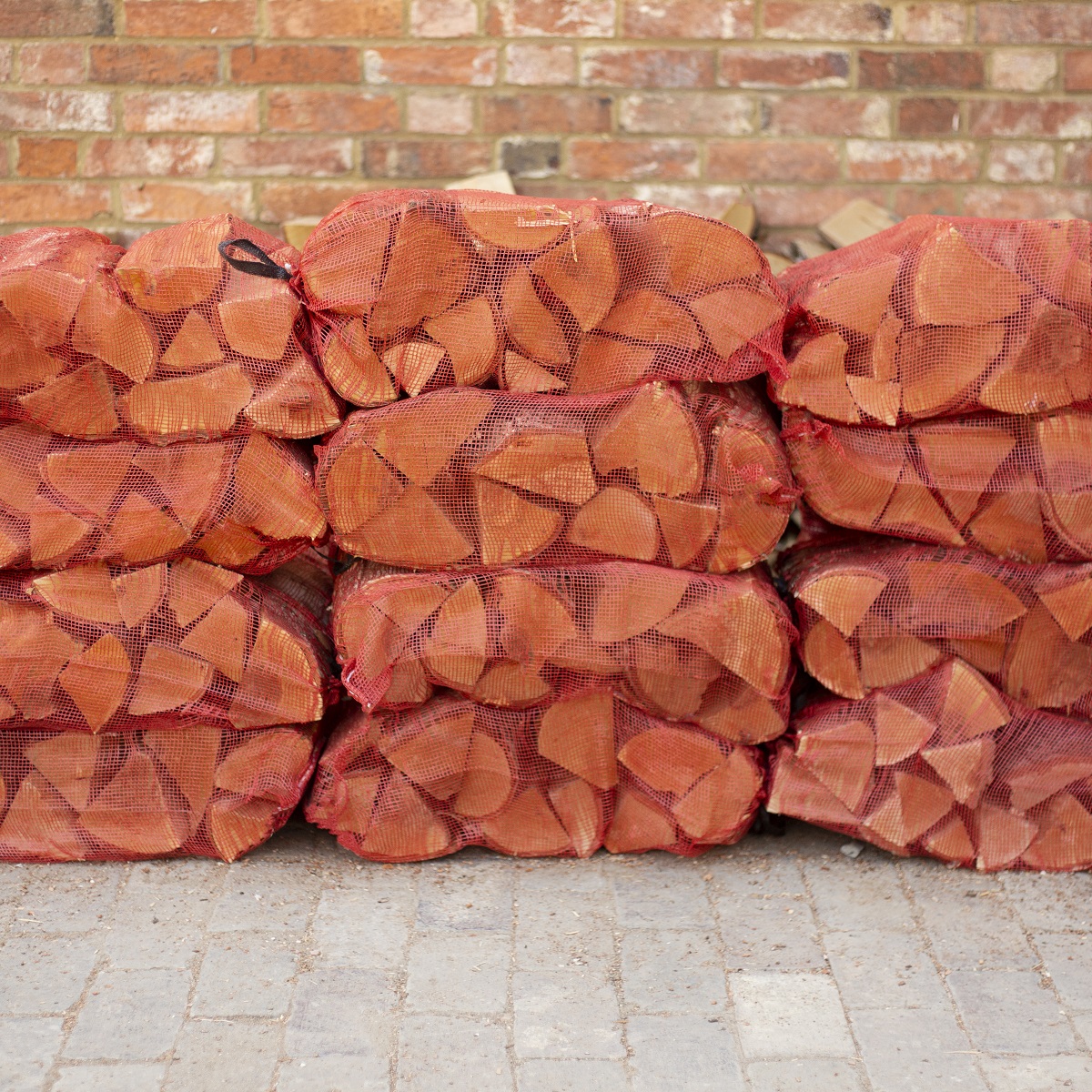
Kiln Dried Hardwood Logs 12, 30 or 60 nets
£110 – £450 Incl. VAT
Choose from 12, 30 or 60 nets for economy firewood. Always below 18% moisture content.




Free Firewood Delivery Beyond Yaxley
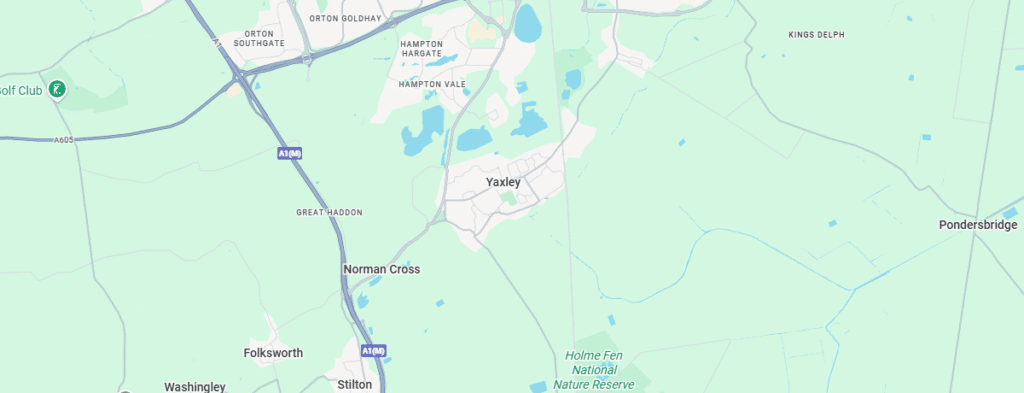
We also offer free delivery to all of the local areas around Yaxley including Whittlesey, Alwalton, Norman Cross, Farcet, Stilton and Parnwell. Whether you live near Yaxley Football Club, close to Yaxley Nature Reserve, or near Parish Church of St Peter, we’ll bring your logs right to your door.
Why choose us for your logs in Yaxley?

You might’ve seen our delivery vans near Yaxley Park, the Embankment, or on the A421. Whether you’re in a Victorian terrace near the town centre or a countryside home on the outskirts, we’re here to keep your firewood topped up all year round.
Send us a picture of one of our vans in Yaxley and we’ll add some free firelighters to your next order!
Fun Facts….Yaxley’s Historic Connection to Wood and Fire
Woodland Heritage & Place Name
• The name Yaxley comes from Old English—”lēah” meaning clearing, and possibly “geacs” (cuckoo)—indicating the village began as woodland cleared for settlement. Such names reflect the area’s transition from tree cover to farmland.
• Before and during medieval times, surrounding woodland and fen margins provided fuelwood, building materials, and charcoal, supporting local dwellings and crafts.
Timber, Agriculture & Brick Making
• Yaxley lies on Oxford clay soils rich in alluvium, ideal for brick clay extraction. From the late 19th century, local brickworks (e.g. Beeby’s and Northam Brick Co.) processed this clay, firing kilns using wood and coal to produce building bricks for regional development.
Norman Cross Prison & Wood Construction
• The Norman Cross Prison (1796–1816), located partly in Yaxley parish, was the first purpose-built POW camp in Britain. Its barrack blocks, fences, cooking houses, latrines, and guard towers were all constructed of timber, using 500 carpenters in just a few months. Programme accounts note these large wooden structures were dismantled in 1816 and sold off as firewood locally.
Fire & Local Events
• In August 2024, firefighters tackled a deliberate straw stack fire near Hod Fen Drove, south of Yaxley. Approximately 700 tonnes of straw were burned, requiring extended action into the night. This kind of incident reflects the area’s agricultural ties to straw and fire risk.
Civic Fire Infrastructure
• Yaxley’s fire service has historic roots: the original 1881 fire station in Main Street remains preserved as part of the new purpose-built facility. The old station is part of the conservation area and shows continuous community planning for fire safety.
Key Takeaways
• Wood has been central to Yaxley’s development, from woodland clearances and building to industrial clay & brick works.
• Fire, historically and in modern contexts, has intersected with agriculture, infrastructure, and community safety planning.
• The iconic Norman Cross Prison, a key local landmark, had a profound association with wood buildings that tied directly into fire usage (both in services and later disposal).